NASA's SPEARS solid-state cells ran at minus 80°C but need heaters after lunar night
Coin-cell prototypes tested at Langley survived swings from 100°C to minus 170°C, yet cannot run that cold. Energy density and cycle life are not given.
OddBrief EditorialAI-assisted, human-reviewed
 Tech
TechKey facts
- Who
- NASA Glenn, Langley and Ames, project SPEARS
- Tested
- ran from 80°C to minus 60°C, slightly reduced to minus 80°C
- Survived
- swings from 100°C to minus 170°C without damage
- Not given
- energy density, capacity, cycle life, flight date
NASA engineers say small solid-state battery cells built for the Moon worked down to minus 80 degrees Celsius in thermal vacuum tests at Langley Research Center, a first for these cells according to the testing lead. The catch: lunar nights at the south pole reach about minus 200, so the cells would still need small heaters to wake up.
Why liquid electrolytes fail on the Moon
The project is called SPEARS, short for Solid Power for Extreme Environment Adaptability and Resilience in Space. It started in 2026, is led by NASA's Glenn Research Center under principal investigator Donald Dornbusch, and splits the work so that Langley runs the tests and Ames builds the electronics and boards needed to fly the cells.
Ordinary lithium-ion batteries carry a liquid electrolyte. NASA says that liquid freezes in deep cold, stops working when overheated and can evaporate in a vacuum. SPEARS swaps it for a solid electrolyte made from ceramic or polymer materials.
The targets are hardware like drills for permanently shadowed craters, rovers, emergency power packs for astronauts and long-running science instruments. NASA wants them to start working as soon as they warm up, without becoming a fire risk.
What the tests showed
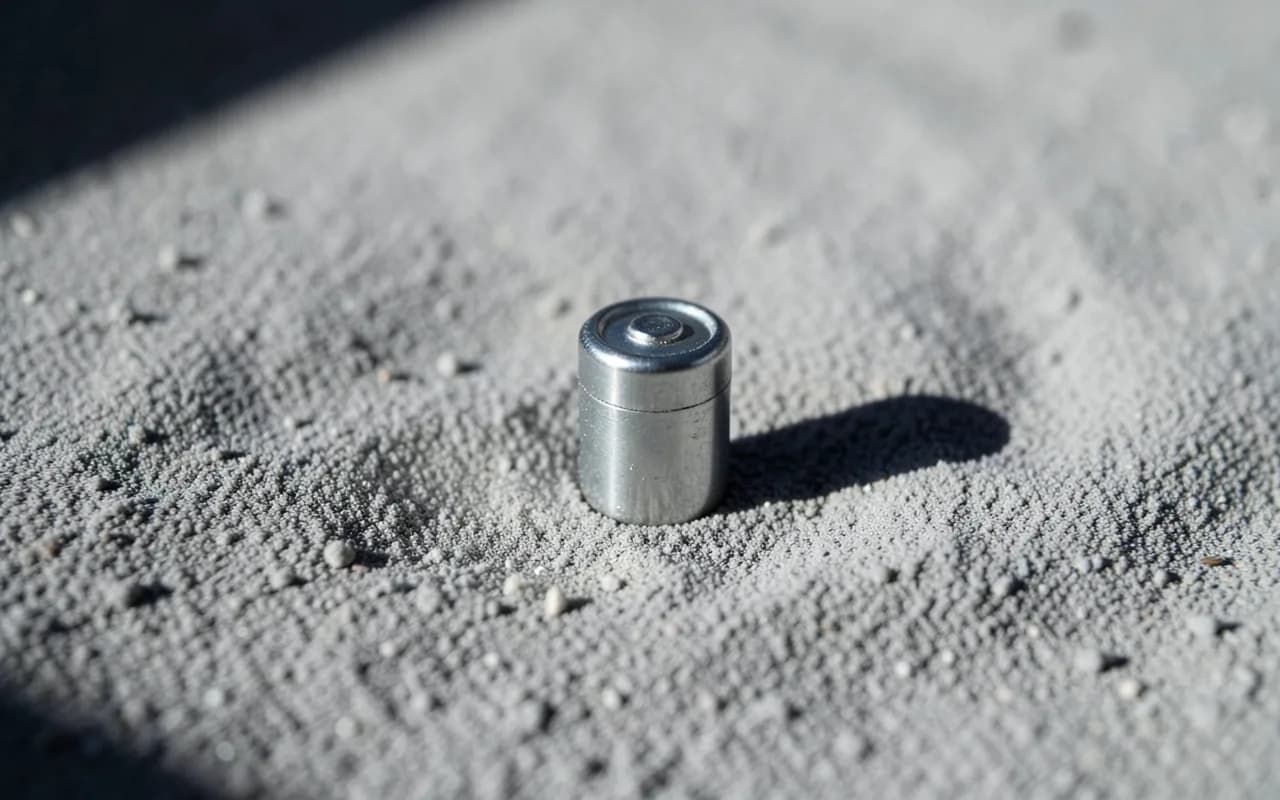
In Langley's thermal vacuum chamber, small coin-cell prototypes ran between 80 degrees Celsius and minus 60 degrees Celsius. Between minus 60 and minus 80, performance dropped slightly, according to NASA.
The cells were also exposed to swings from 100 degrees Celsius down to minus 170 and came through without damage. "We proved for the first time that these cells can work down to minus 80 degrees Celsius," said Yi Lin, the SPEARS testing and research lead at Langley.
The heater still matters
Surviving cold is not the same as working in it. NASA notes that the cells cannot operate at minus 170 degrees, so small heaters would bring them up to operating temperature before use.
The gain is that a solid electrolyte does not freeze, so the cells could sit cold between uses instead of being heated nonstop. NASA says that could shrink heavy thermal management systems and allow lighter, cheaper hardware and longer missions.
The team can tune the chemistry by changing electrode materials. "We can tune for energy, tune for power, tune for durability, depending on the application," Lin said.
What is still missing
The article gives no energy density, capacity or cycle life for the cells, and does not quantify how much performance dropped near minus 80. It also gives no date for a flight test or for use on an Artemis mission.
NASA says the work grew out of an earlier aeronautics battery project and will focus on technology development first, with possible commercial collaboration later.
Sources
- NASA Develops Batteries to Power Humanity's Return to MoonNASAprimary source