NASA is teaching robots the small jobs a Moon base would need
At Johnson Space Center, the Dexterous Robotics Team is testing hands, arms and supervised work in habitat-like settings. These are development exercises, not a deployed lunar workforce.
OddBrief EditorialAI-assisted, human-reviewed
 Tech
TechKey facts
- Team
- NASA Johnson Space Center Dexterous Robotics
- Size
- 16 members in NASA's September 28 feature
- Testbed
- iMETRO
- Example
- robotic arm opened a hatch and moved cargo in a test
- Limit
- no lunar deployment announced
A robot that can walk across a rough landscape is only part of the problem for a future lunar base. Someone still has to open a hatch, move a bag and inspect equipment. NASA's Dexterous Robotics Team is concentrating on those ordinary hand-sized tasks, and on making robots reliable enough to do them alongside human crews.
A laboratory for practical chores
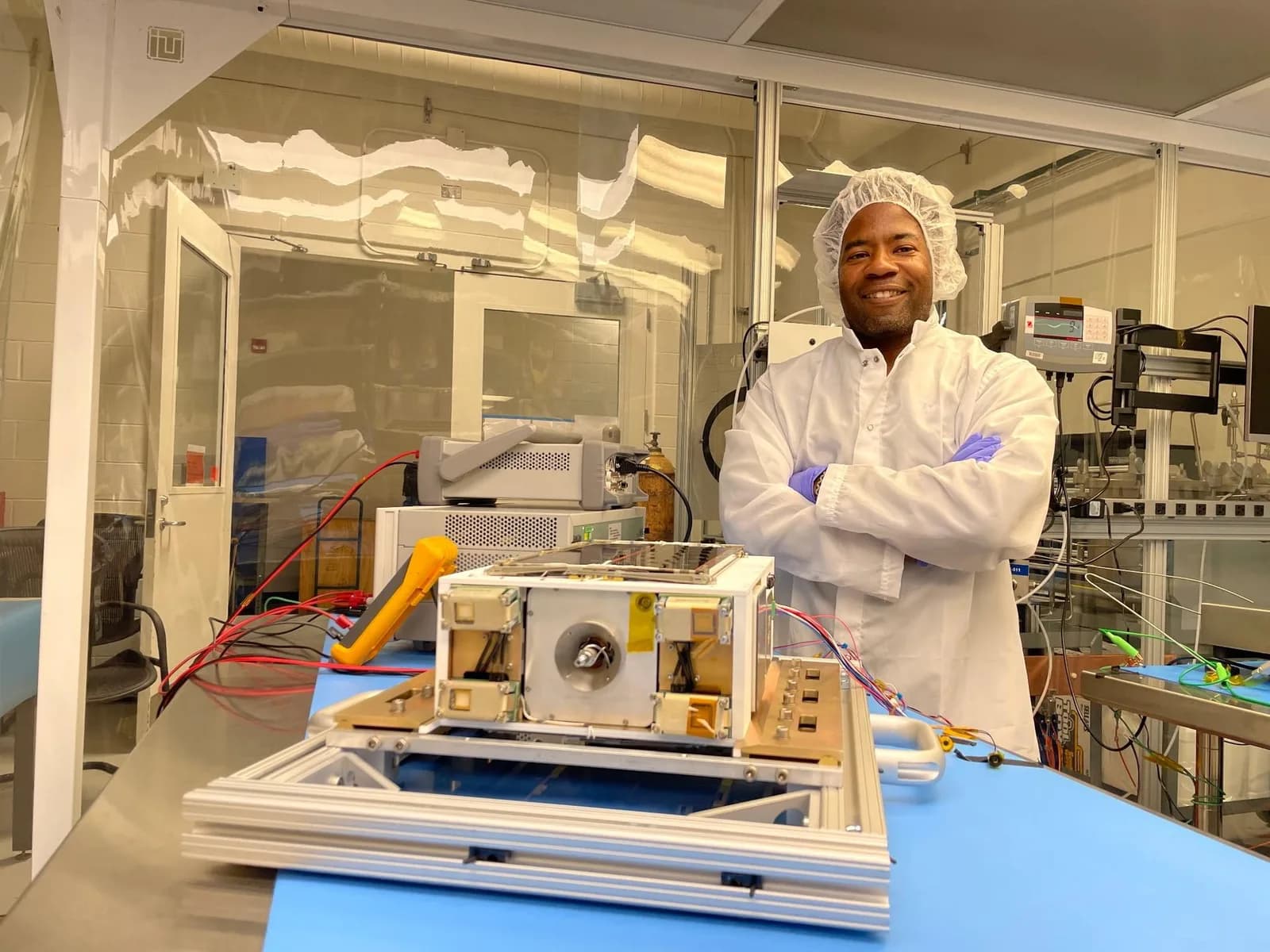
NASA described the 16-person team at its Johnson Space Center on September 28. Its members work across mechanics, electronics, software and simulation. Some previously contributed to Robonaut 2, which was tested on the International Space Station, and Valkyrie, NASA's bipedal humanoid robot. The current work builds on those platforms rather than announcing a new robot for an imminent Moon flight.
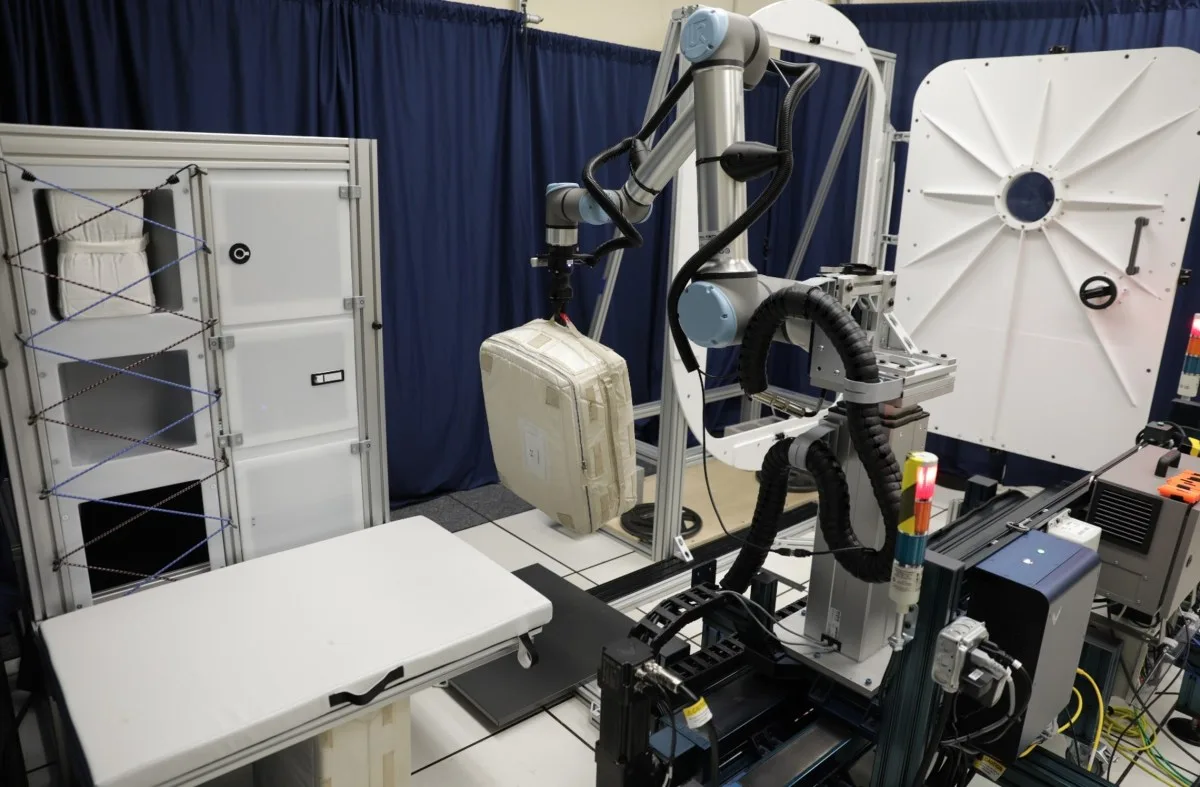
A centerpiece is the Integrated Mobile Evaluation Testbed for Robotics Operations, or iMETRO. It combines open-source simulation assets with physical mockups of space vehicles and habitats, a collection of robots and an outdoor rock yard. NASA says the arrangement lets outside developers test a whole machine or a particular component against tasks closer to those mission planners care about.
The hatch is harder than it looks
In one cited example, PickNik used the testbed to develop software for a robotic arm to recognize a spacecraft hatch, turn the latch, grasp the handle and open the door. The arm then moved cargo bags between the hatch and a bin. Another project used a commercial arm and camera to inspect and maintain a cold-stowage freezer similar to those used in orbit. These are controlled demonstrations, not proof of autonomous work on the Moon.
NASA also points out that human environments can be made friendlier to robots. A larger handle or better lighting might make a task easier for a robot and a person alike. That is a design question as much as an artificial-intelligence question.
What remains to be proved
The team's stated priority is human-supervised exploration, including possible lunar logistics, maintenance and science support. Reliability across dust, delays, uneven terrain and unexpected failures is still an open challenge. NASA's first-party photographs show the actual team and Valkyrie demonstrations, but the story is about development, not a promise of a robot shift starting on a specific mission.
Sources
- NASA Johnson Space Center, September 28, 2026NASAprimary source