NASA’s shoebox satellite will ask one fuel tank to do two jobs
A CubeSat that passed ground tests will try chemical bursts and electric nudges using the same propellant supply.
OddBrief EditorialAI-assisted, human-reviewed
 Tech
TechKey facts
- Hardware
- 6U CubeSat with one ASCENT propellant tank
- Engines
- chemical and electrospray thrusters
- Launch
- no earlier than October 1, 2026
- Test
- nine-month flight demonstration planned
NASA said on September 25 that a shoebox-size satellite had passed a series of ground tests before a flight meant to make one fuel tank feed two kinds of engine. If it works in orbit, the approach could spare future small spacecraft the mass and plumbing of separate propulsion systems.
Why a single tank is unusual
Spacecraft often need two different kinds of maneuver. A chemical engine provides relatively strong, quick thrust. Electric propulsion gives much smaller but more efficient pushes over longer periods. Carrying both typically means separate tanks, lines and hardware, which can crowd out instruments on a small satellite.
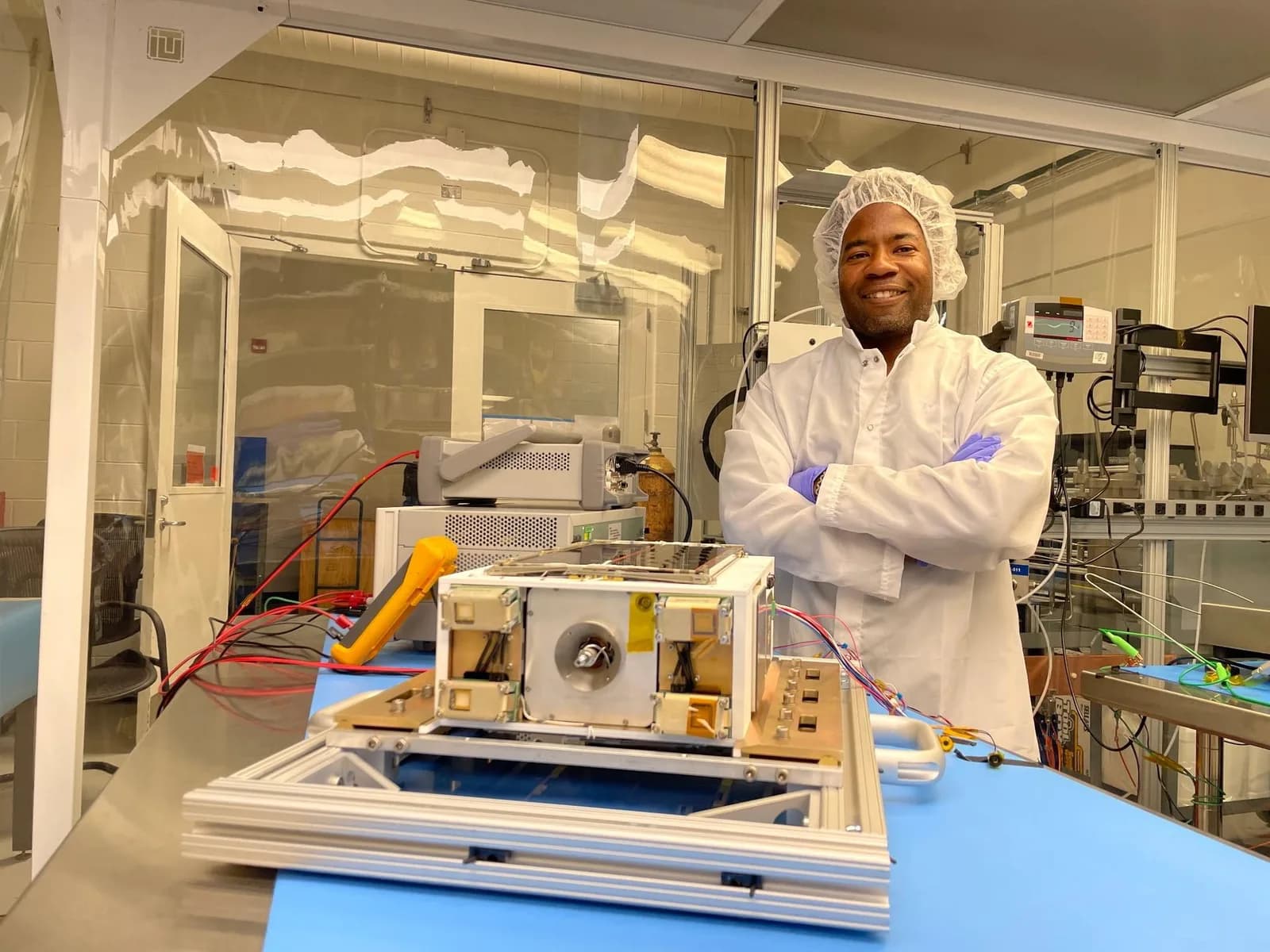
NASA's ASCENT Propulsion Dual Mode demonstration instead feeds a high-thrust combustion engine and low-thrust electrospray thrusters from one central tank of ASCENT propellant. The agency describes the fuel as non-toxic. The satellite is a 6U CubeSat, about the size of a large shoebox, so saved volume is a substantial part of the engineering case.
The hardware is the result of several teams' work. NASA Marshall manages the mission, MIT developed the electrospray thrusters, Plasma Processes built the chemical module, and Georgia Tech integrated the spacecraft bus. Having components from different groups work from the same propellant supply is itself part of the challenge.
What the ground tests establish
Engineers at Marshall used pressurized helium in a vacuum chamber to check the fuel system for leaks. They also put the spacecraft through thermal-vacuum testing and a spin test, which assesses its balance and ability to hold the right attitude. NASA says these steps have been completed, with final checkouts and solar-array integration still ahead.
Those tests show that the assembled hardware survived important launch and space-environment simulations. They do not demonstrate that both engines will work together in orbit. That proof requires a flight.
NASA says the spacecraft is manifested for launch no earlier than October 1 on a SpaceX Falcon 9 from California. After deployment about 325 miles above Earth and an initial checkout, operators plan short chemical and electric maneuvers during a nine-month mission. If those succeed, they will repeatedly raise and lower the orbit while alternating the two thrust modes.
The practical payoff is straightforward: a small satellite with more room for science. Whether the promised savings are worth the added integration complexity will become clearer only after the shared-tank system operates in space.
Sources
- NASA Tests Dual Mode Propulsion CubeSat Ahead of LaunchNASAprimary source