NASA picks PRIMA far-infrared telescope for next development phase
NASA has advanced PRIMA, its first Probe Explorers telescope, into preliminary design. The far-infrared mission targets a 2033 launch, but must still pass a confirmation review.
OddBrief EditorialAI-assisted, human-reviewed
 Science
Key facts
- Decision
- PRIMA advanced to Phase B on September 23
- Mission
- First selected NASA Probe Explorers telescope
- Target
- Launch in 2033 for a planned five-year mission
- Budget
- $1.2 billion project cap if confirmed, excluding launch
- Caveat
- Phase C requires a later confirmation review
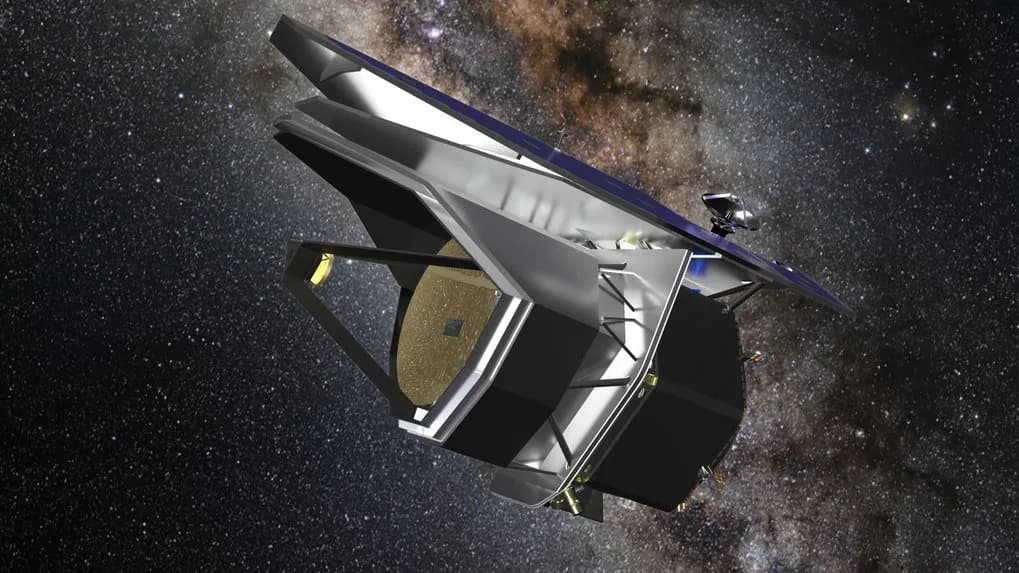
NASA selected the PRobe far-Infrared Mission for Astrophysics, or PRIMA, to enter Phase B development on September 23. It is the first telescope chosen for the agency’s new Probe Explorers class. NASA targets a 2033 launch and a five-year observing mission, but that schedule depends on the project passing a later confirmation review. The selection is a design milestone, not a launch approval.
A wavelength between familiar views
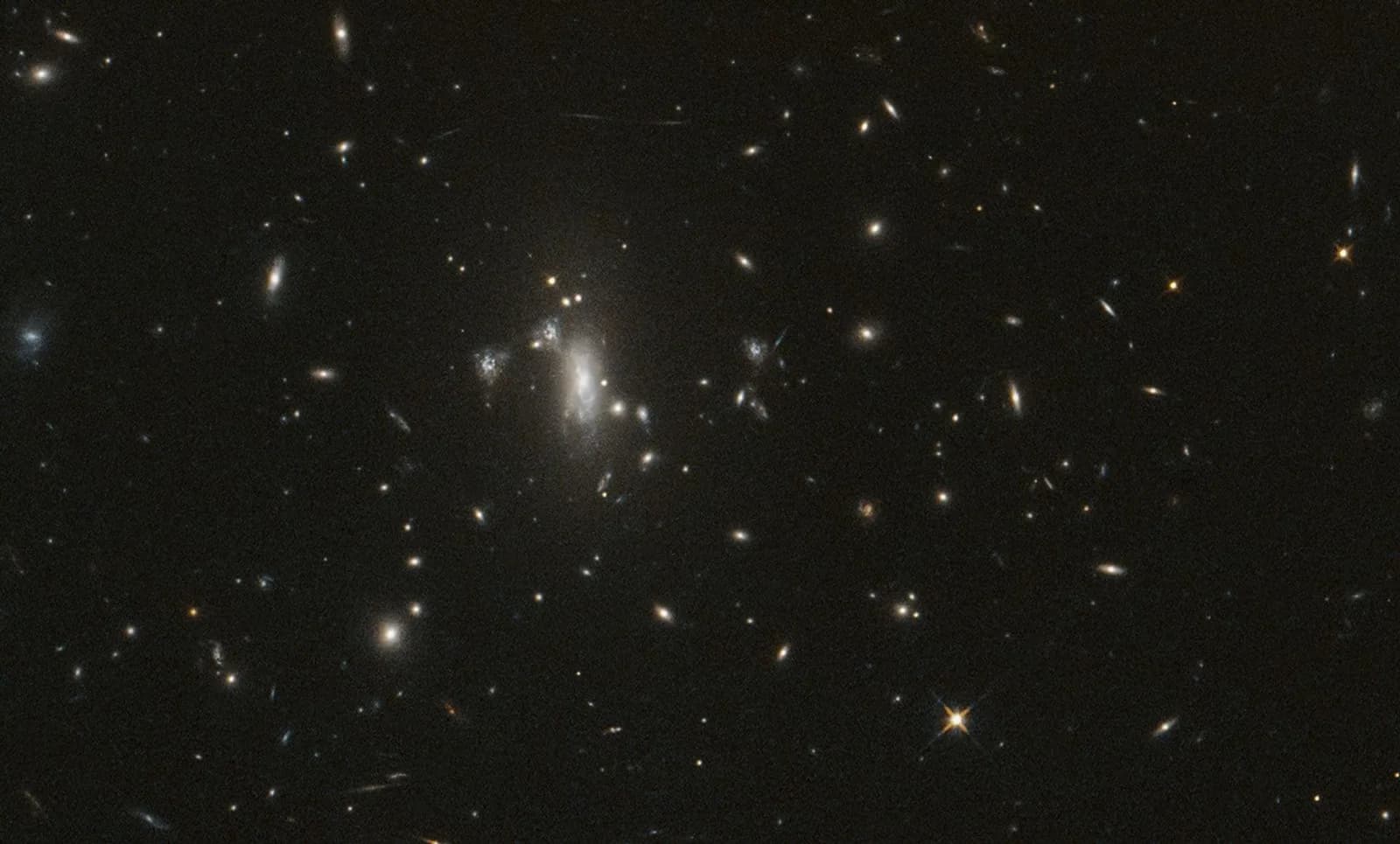
PRIMA would observe far-infrared light with a 5.9-foot telescope. That part of the spectrum can reveal cold dust, gas and other material that ordinary visible-light images miss. NASA says the mission is intended to bridge a gap between observatories such as the James Webb Space Telescope and radio telescopes. The point is not simply another sharper picture of the same objects. Different wavelengths expose different physical processes, and a broad survey could connect them.
Among the questions NASA wants to investigate are how galaxies and their central black holes changed over cosmic history, where planets form, and how dust and heavy elements accumulated. The agency also links the work to the origins of water-bearing material. Those are scientific goals rather than discoveries PRIMA has already made. The telescope remains a proposal in development, and its eventual performance will depend on the final design and instruments.
A new route for space observatories
Probe Explorers sits within NASA’s long-running Explorers Program and follows a recommendation from the US astronomy decadal survey. NASA evaluated competing concepts on scientific merit, feasibility, cost and schedule. The class is meant to support ambitious investigations below the scale of the largest flagship observatories. PRIMA is its first selected mission, so it will also test whether the new class can deliver the cadence its planners hope for.
NASA’s Jet Propulsion Laboratory will manage the project, with Goddard and Marshall space flight centers involved. Agencies in France, Italy, Germany, Canada, South Korea, Japan and the United Kingdom are listed as contributors. That international roster can widen technical capacity, though each contribution will still have to fit a mission that has not yet been formally confirmed for implementation.
What NASA has and has not committed
Phase B is for preliminary design and technology development. NASA says a review of technical, programmatic and cost performance will determine readiness to start Phase C implementation. If the mission is confirmed, its project cost is capped at $1.2 billion, excluding launch and other non-project costs. That cap is a planning boundary, not a final bill.
The next consequential news will be whether the design survives that review and keeps its 2033 target. Until then, PRIMA is an unusually promising way to examine the cold universe, but its scientific results remain years away.
Sources
- NASA Selects Far-Infrared Telescope as First in New Mission ClassNASAprimary source