Only 12 of 31 volunteer dog teams reached UFZ's invasive plant field test
Owners trained pet dogs to sniff out three invasive plants. The 12 teams that made it to the field found 74.7% of targets on average.
OddBrief EditorialAI-assisted, human-reviewed
 Science
Key facts
- Who
- Helmholtz Centre for Environmental Research (UFZ) and partners
- Where
- PLOS One, published November 4, 2026
- Funnel
- 31 teams started, 12 reached the field test, 11 passed
- Result
- average 74.7% of target plants found, ranging from 50% to 100%
A German pilot program trained 31 pet dogs and their owners to find invasive plants, and 11 of the 12 teams that reached the final field test passed it. The study, led by Annegret Grimm-Seyfarth of the Helmholtz Centre for Environmental Research (UFZ), was published in PLOS One on November 4, 2026.
The headline number is a detection rate of about 75%. The less told part is the funnel: only 35.5% of the starting teams got as far as the field test, and the paper says how well a team did in training did not decide whether it finished.
Three plants and a long training path
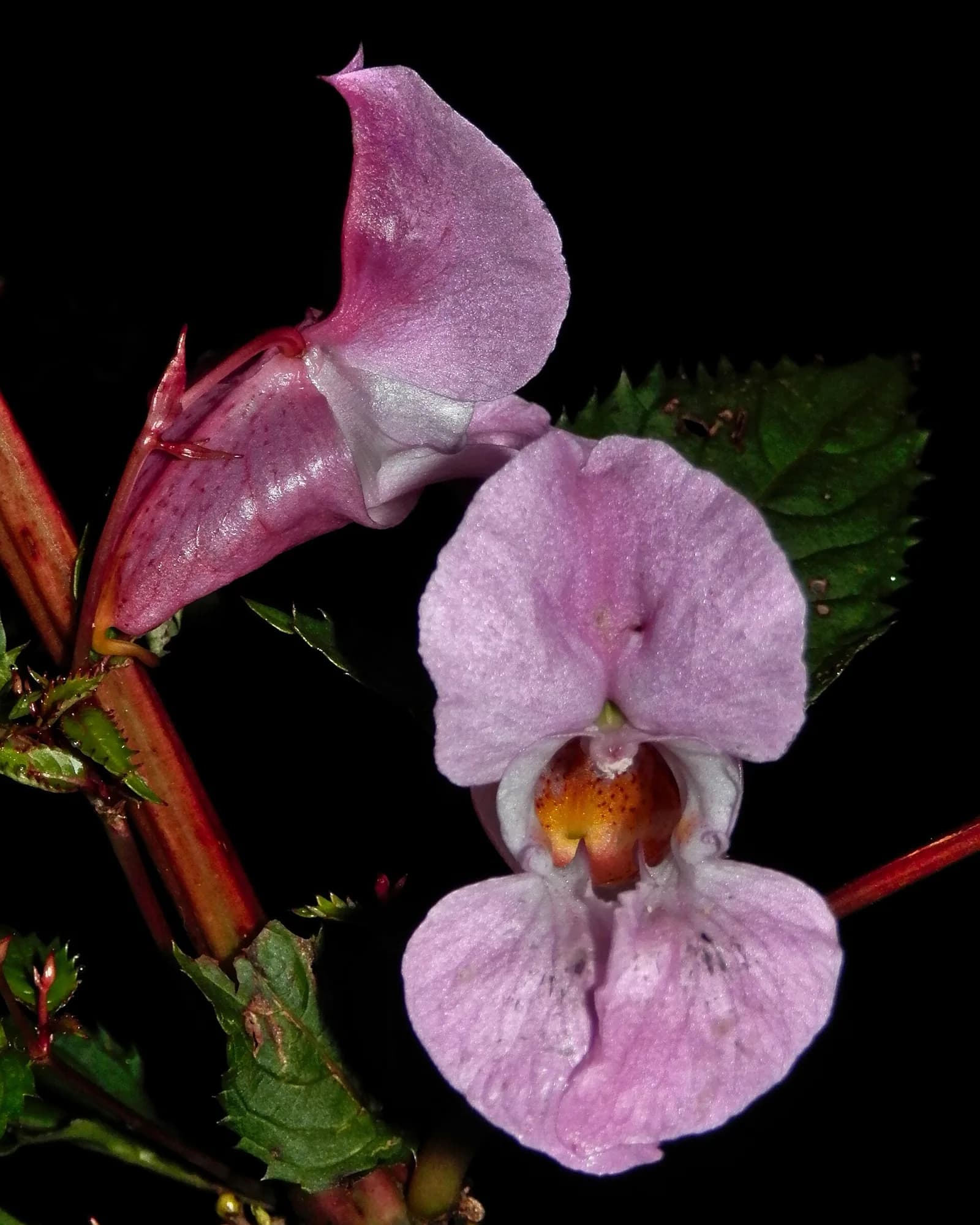
The teams trained between 2021 and 2023 on three invasive species: the knotweed complex Fallopia, Himalayan balsam (Impatiens glandulifera) and common ragweed (Ambrosia artemisiifolia). The researchers picked them for how widespread they are and their effects on biodiversity, the economy and health.
Training combined online lessons, a practical seminar and a final test in the wild. According to the paper, 87.1% of participants completed the online part and 77.4% the seminar, before the number dropped to 12 teams in the field.
Teams that left told the researchers they did so for personal reasons, such as moving house or changes in their lives, and not because of the training. One team stopped after its dog fell ill.
What the dogs managed in the field
Of the 12 field teams, 11 passed, with an average of 74.7% of target plants found. Results ranged from 50% for one team to 100% for three teams.
The seminar exposed a practical snag. Many dogs had trained on thawed plant material, and when first shown fresh plants laid out on the ground, they generalized to them spontaneously 56% of the time. Dogs did best on larger plant parts, and when owners had trained on all parts of the plant.
Not a free monitoring service
The authors see promise in turning ordinary dog walks into early warnings, but they are blunt about the cost. Volunteer teams varied far more than professional detection dogs, and the paper notes that training volunteers takes substantial time and money and still needs ongoing guidance.
"Enthusiasm is a great starting point, but reliable monitoring requires more than a good nose," the authors said in the PLOS release. Their recommendation is that any such program be supervised by both professional ecologists and dog trainers, and that trained teams keep practicing to hold their detection rates.