Shanidar Neanderthal's round shoulder wound may be the oldest lethal wooden spear attack
A 15 mm circular hole in a 75,000-year-old shoulder blade from Iraq points to a sharpened wooden spear, not a stone tip, researchers say.
OddBrief EditorialAI-assisted, human-reviewed
 Science
Key facts
- Who
- Emma Pomeroy, Graeme Barker and colleagues, University of Cambridge
- What
- a round 15 mm hole in a Neanderthal scapula attributed to a sharpened wooden spear
- When
- about 75,000 years ago; paper published October 15, 2026 in Scientific Reports
- Where
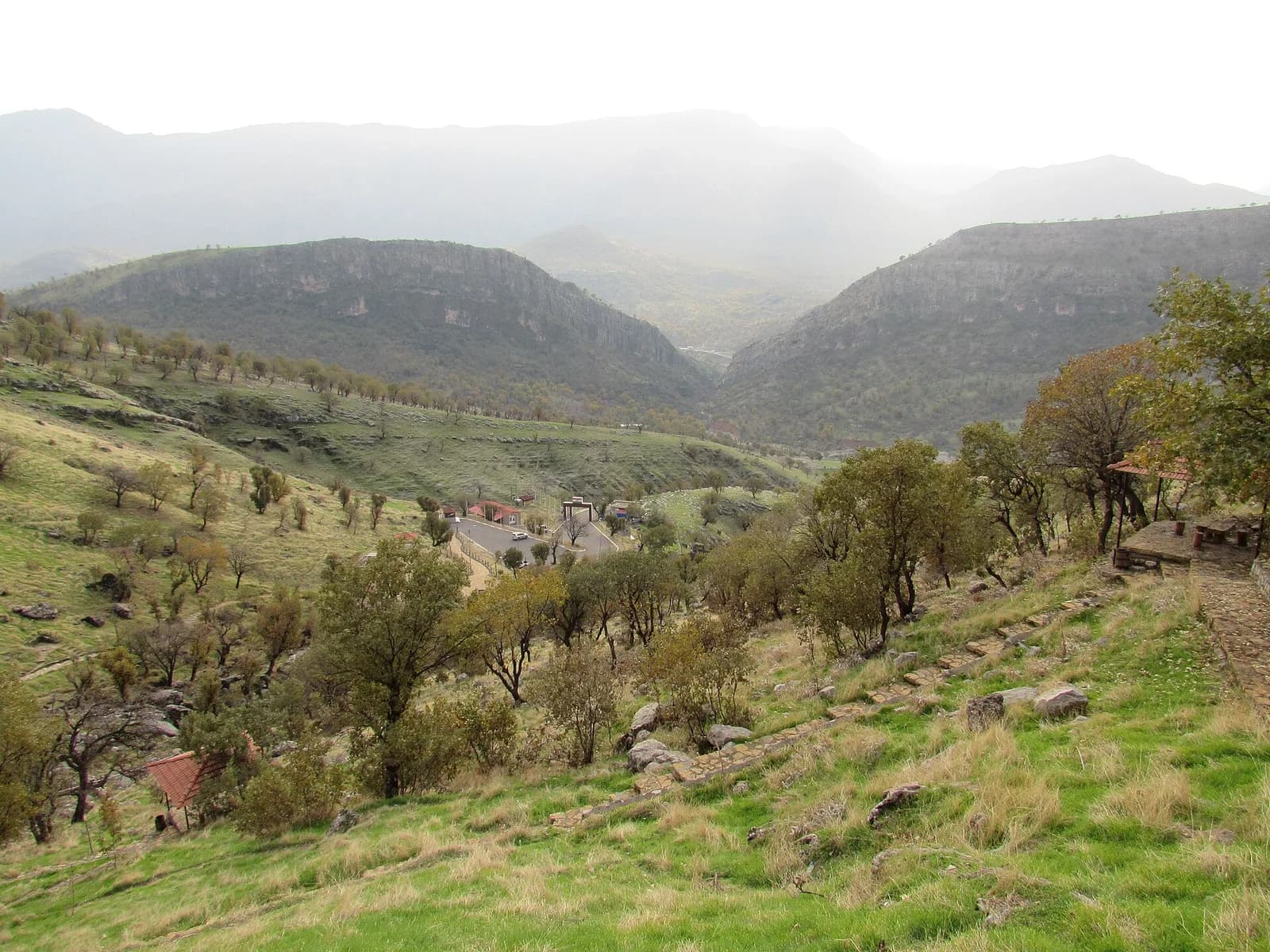
- Shanidar Cave, Iraqi Kurdistan
A Neanderthal buried in Iraq's Shanidar Cave about 75,000 years ago was killed by a spear that went through the chest and out the back of the left shoulder blade, according to a study published October 15 in Scientific Reports. Because the exit hole is round rather than angular, the Cambridge-led team argues the weapon was sharpened wood, making it what the University of Cambridge calls possibly "the earliest known example of lethal interpersonal violence with a wooden spear in the hominin fossil record."
The individual, named Shanidar A, was an adult of roughly 45 when they died. Excavators recovered the remains in 2020 from under about 7.5 metres of sediment.
Why the shape of the hole matters
The key evidence is a circular puncture about 15 mm wide in the left scapula. A flint or stone point tends to leave a flat or angular break, according to the researchers, while replica spears from the period produce holes they describe as a close match.
The bone fragments suggest the weapon came in from the front of the chest at a downward angle, likely passing through a lung and major blood vessels before leaving through the shoulder blade. The authors raise the idea of an intended heart shot but do not claim it as certain.
This is not the first speared Neanderthal from the same cave. In 2009, a separate team reported a deep cut in a rib of Shanidar 3, a man excavated in the 1950s, and argued it was made by a thrown stone-tipped weapon. That rib had started to heal. Shanidar A shows no such survival, and the weapon points to a different material.
An old injury that someone helped them live with
The partial skeleton also carries an older wound. One lower front tooth is split lengthways and the teeth next to it are turned inward, a pattern the team links to a blow to the face.
Tartar had built up on the exposed root of the broken tooth, which suggests it stayed in the mouth for a long time afterwards. The authors estimate the person lived at least a year after that injury and argue they probably relied on help from others, possibly including softer food.
The first body in a five-person cluster
Shanidar A lies at the bottom of a small cluster of five Neanderthals, four adults and an infant, packed into a space about 1.5 metres long, 1 metre wide and 1 metre deep behind a large boulder. The body was laid on its back with the head to the east, matching the one placed above it.
That ordering is why lead author Emma Pomeroy argues the cluster reflects deliberate burial. "The best explanation is intentional and symbolic funerary behaviour," she said in the university's release.
Who threw or thrust the spear is unknown. The release says the simplest reading is violence between Neanderthals, while stating there is no way to tell whether modern humans were involved, or whether the death was a hunting accident.
Older wooden spears exist, including a pointed tip from Clacton-on-Sea in England that is more than 400,000 years old, but those are weapons, not wounds. The researchers say Shanidar A would also be the earliest evidence of a sharpened wooden spear in the prehistoric Middle East.
Sources
- Fatal Neanderthal wound may be earliest evidence of a wooden spear attack on a human ancestorUniversity of Cambridge via EurekAlertprimary source
- Shanidar 3 rib injury study (2009)ScienceDaily