Kikai eruption study: northern Kyushu's Jomon kept growing while distant regions declined
A Science Advances study of Japan's eruption 7,300 years ago finds neither total collapse nor simple survival, and an odd link to worn deer and boar teeth.
OddBrief EditorialAI-assisted, human-reviewed
 Culture
Key facts
- Event
- Kikai-Akahoya eruption, about 7,300 years ago
- Who
- Lund University and Cambridge-led team, Science Advances, October 14, 2026
- Finding
- northern Kyushu grew through the disaster; distant regions stalled or declined
- Possible cause far away
- tooth wear in hunted deer and boar
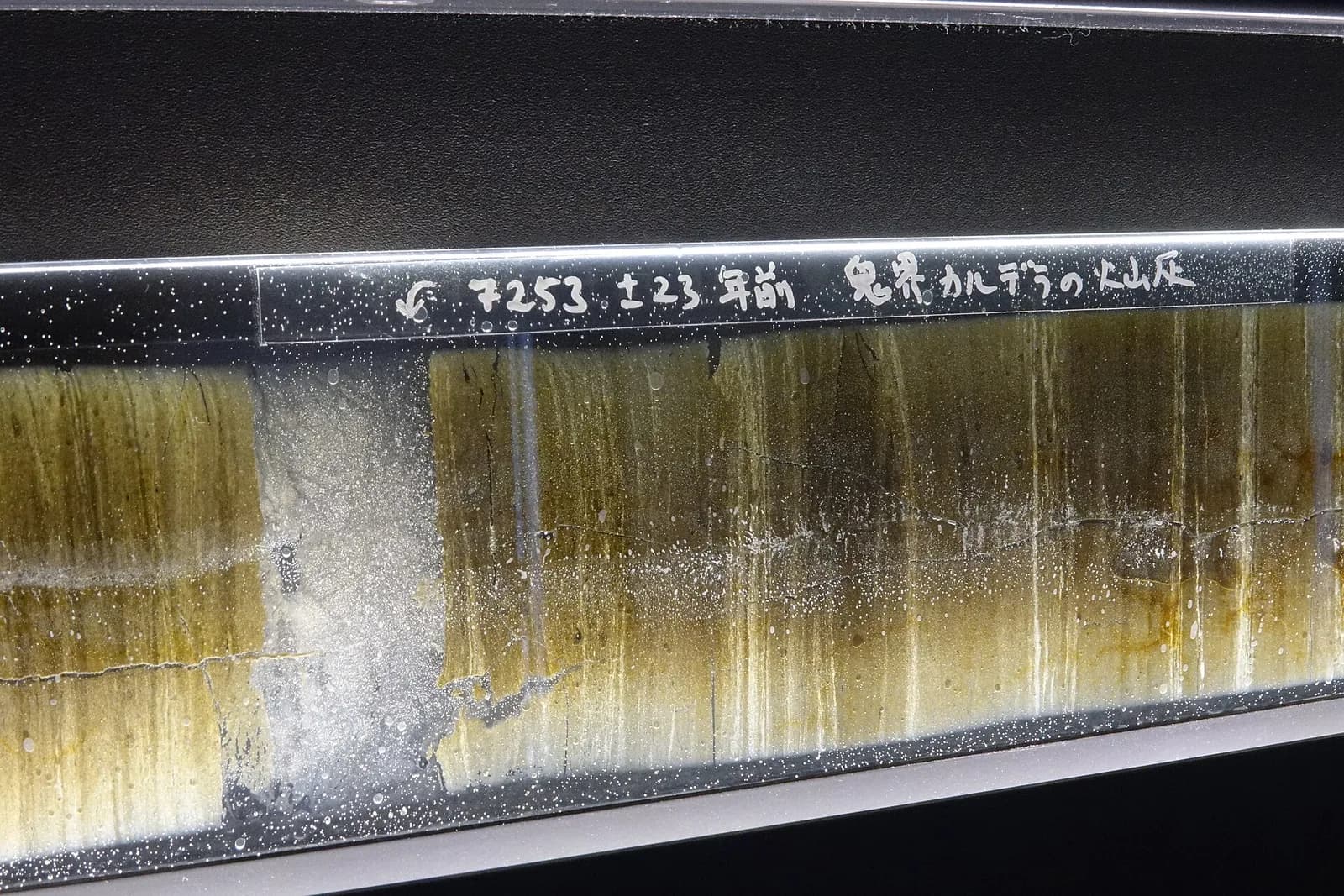
The Kikai-Akahoya eruption off southern Japan about 7,300 years ago did not empty the region the way older accounts suggest, according to a study published October 14 in Science Advances. Jomon populations in northern Kyushu kept growing through the disaster, while distant parts of Japan that had been growing began to stall or shrink afterwards.
An old argument with two camps
The eruption burst from the seabed with little warning, according to senior author Peter Jordan of Lund University, bringing strong earthquakes, tsunamis and ash that piled up meters deep. The people living there were Jomon hunter-gatherers.
For decades archaeologists have split into two camps. One described an apocalypse that wiped out life near the epicentre. The other pointed to groups that seemed to survive in pockets surprisingly close to the volcano.
The new study, led by Enrico Crema of the University of Cambridge, reconstructs population trends region by region and concludes that both views were too simple. In the authors' account, populations did fall where ecosystems were wrecked, but survivors moved, formed new ties and changed how they made a living.
Who grew and who declined
In southern Kyushu, closest to the caldera, forager numbers were already falling before the eruption. The area was thinly settled and used mainly by highly mobile groups when the ash came down.
Northern Kyushu tells a different story. Its population kept rising through the eruption and the years after it, even though ecosystem damage lasted. The authors suggest people fleeing the worst-hit zones may explain the growth, and they use the word "refugees" for them.
Survivors from inland areas also appear to have moved to northern coasts, where marine ecosystems bounced back quickly. Turning to the sea for food may have helped those communities grow.
The puzzle far from the volcano
The least expected result comes from regions far from the eruption. Their populations had been growing before it, then stagnated or declined.
The team offers three possible reasons: short-term climate change, other effects of volcanic activity on health, or worn teeth in the deer and wild boar that Jomon people hunted. That wear may have come from animals grazing on ash-covered land. Lund University says this link had not been identified before.
Jordan frames the result as a lesson about disasters in general. "Even in the most impossible situations, survivors and communities have choices, however limited," he said in the university's release.
The release does not say which of the three explanations the authors favour for the distant declines, so that question stays open.
Sources
- How one of Earth's worst volcanic disasters affected societiesLund University via EurekAlertprimary source