A yak relative that roamed Siberia for 200,000 years was found in scraps of bone
Ancient DNA from bone fragments too small to identify by shape reveals an extinct bovine that split from yaks and lived in the Altai.
OddBrief EditorialAI-assisted, human-reviewed
 Science
Key facts
- Who
- Centre for Palaeogenetics, Stockholm University, with UC Santa Cruz and the University of Vienna
- What
- an extinct, still unnamed bovine related to modern yaks
- Evidence
- 20 ancient genomes from unidentifiable bone fragments spanning 200,000 years
- Youngest specimen
- about 27,000 years old; extinction date unknown
An extinct bovine closely related to yaks lived in southern Siberia for at least 200,000 years, and scientists found it without a single skull or horn. A team at Stockholm University's Centre for Palaeogenetics identified it from 20 ancient genomes extracted from bone fragments too small to classify by shape, according to a study published October 5 in Current Biology.
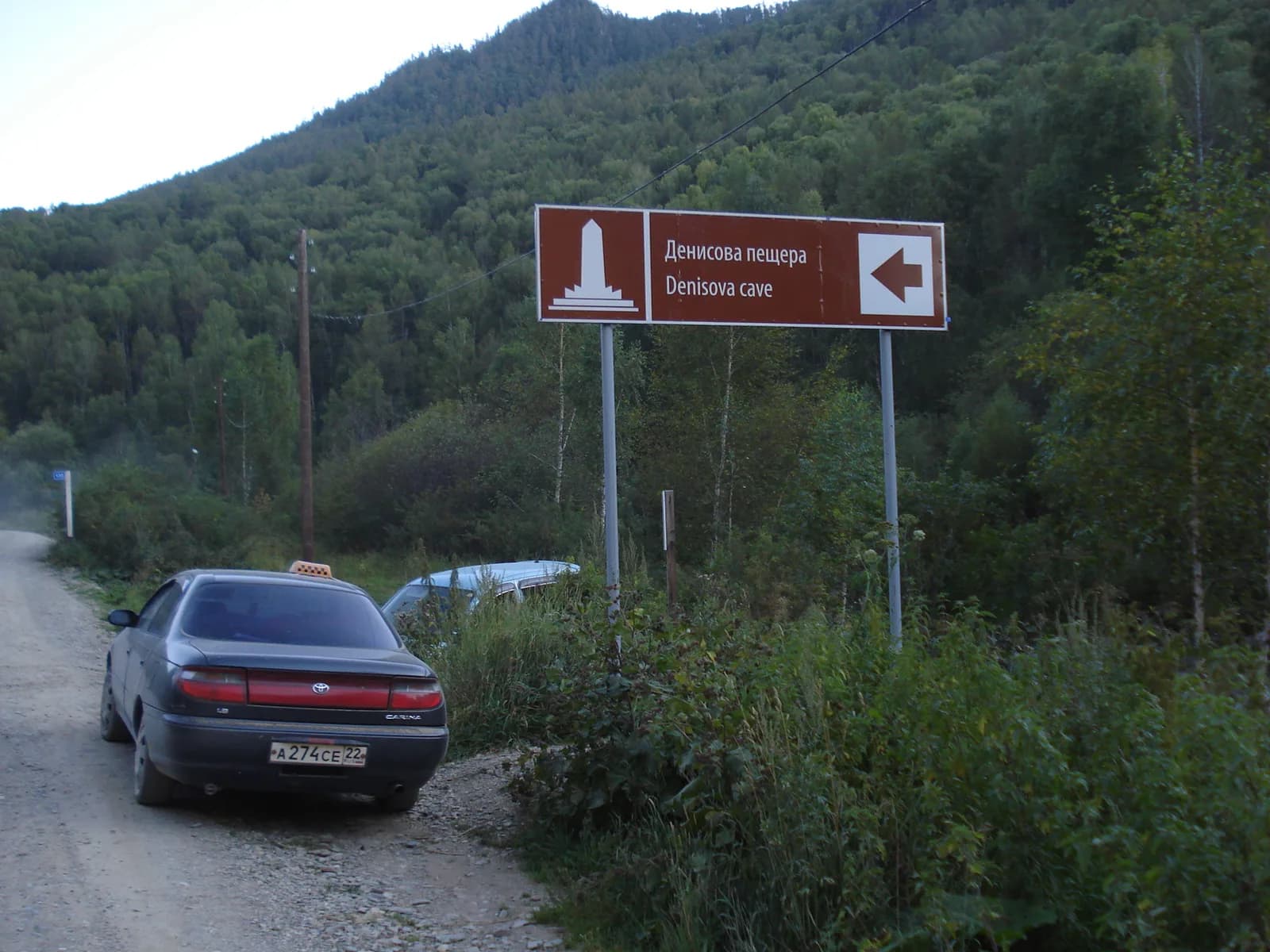
Many of the bones came from Denisova Cave in the Altai Mountains, the site better known for an extinct group of humans that was also identified from DNA in small fragments.
A species without a name
The animal shared ancestry with modern yaks but went its own way. The two lineages began drifting apart about 400,000 years ago and had fully separated by about 250,000 years ago, according to the researchers.
It still has no formal name. The university said genetic evidence alone is not enough to classify and name a new species, so for now it is a species known only from its genome.
Senior author Love Dalén called it "a remarkable discovery of a large extinct species based on small non-diagnostic bones." The genomes covered a long stretch of time, which co-lead author Jonas Oppenheimer said is rare in ancient DNA work and lets the team follow a population across whole glacial cycles.
Warm spells did the damage
The split from yaks overlaps with a particularly strong warm period, which lead author Alexandre Gilardet suggested may have isolated populations and pushed them toward becoming separate species.
Warmth shows up again later. Around 120,000 years ago, during the last interglacial, one population of the animal was replaced by another and genetic diversity fell. The team reads this as a possible genetic cost of warming for a cold-adapted animal.
Today's wild yaks are confined to the high Tibetan Plateau. Their extinct relative lived much farther north, across the Altai-Sayan mountains, alongside steppe bison and aurochs. The genomes show no significant interbreeding with either.
The yak-like bones already in museums
The youngest specimen is about 27,000 years old. When and why the species died out is unknown.
The researchers now plan to compare their genomes with yak-like fossils already described from the region, to see whether those older finds belong to the same animal. A 2025 study by some of the same researchers, in Genome Biology and Evolution, had already flagged an unknown yak-like lineage at the same sites from its mitochondrial DNA alone.
Sources
- Previously unknown extinct bovine species discovered in SiberiaStockholm University via EurekAlertprimary source
- Paleogenomics Reveals a Loss of Bovine Lineages in Mid-latitude Asia Over the Last 200,000 YearsGenome Biology and Evolution