After L.A. immigration raids, fewer immigrants went to the ER, and more were admitted
A study of three Los Angeles safety-net hospitals found weekly ER visits fell for foreign-born patients, including Asian-born ones, while admission rates rose.
OddBrief EditorialAI-assisted, human-reviewed
 Society
Key facts
- Where
- three Los Angeles County safety-net hospitals
- When
- June 2024 to October 2025, around the June 2025 enforcement surge
- Visits
- 177 fewer per week for Mexican-born patients, 98 fewer for Asian-born
- Admissions
- up 2.5 to 5.1 percentage points among those who came
Foreign-born patients made far fewer emergency room visits at three Los Angeles County public hospitals after immigration enforcement stepped up in June 2025, and those who did come were more likely to be admitted. The study, by researchers at the University of Southern California and published October 5 in JAMA Network Open, suggests some people waited until they were sicker.
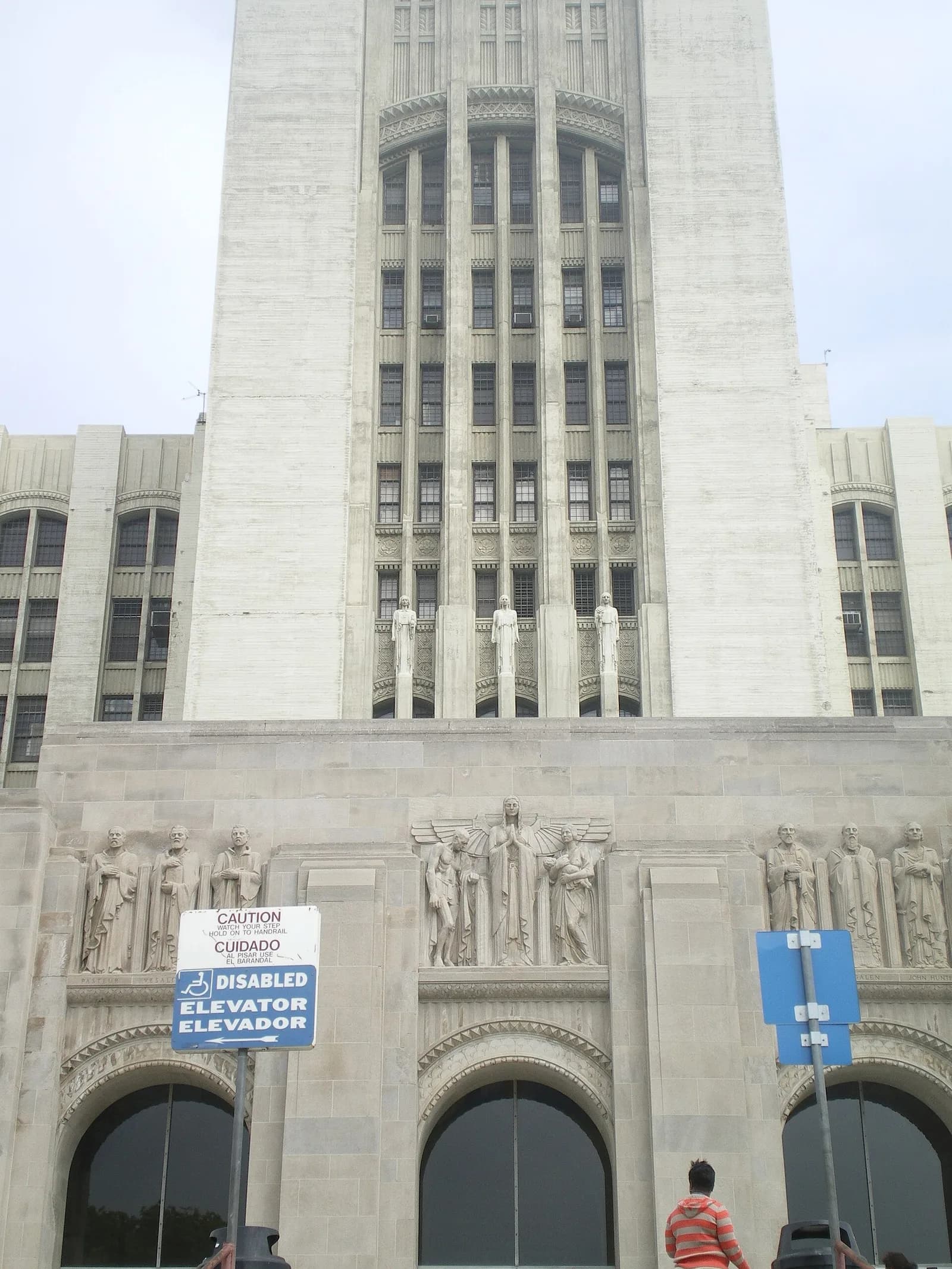
The three are county-run safety-net hospitals: Los Angeles General, Harbor-UCLA and Olive View-UCLA.
Asian-born patients stayed away too
Compared with U.S.-born patients, Mexican-born patients made about 177 fewer emergency visits a week, according to the paper. Patients born in Central or South America made about 161 fewer, and Asian-born patients about 98 fewer.
That last group gets less attention in coverage of the raids, which centered on Latino neighborhoods. The study cannot say why Asian-born patients pulled back, only that they did.
In the first four weeks after enforcement increased, foreign-born ER visits fell by more than 20% relative to U.S.-born visits, USC said. By October 2025 the gap had narrowed to about 10%.
The patients who came were sicker
Among those who did seek emergency care, the share admitted to the hospital went up. Admission rates climbed about 4.8 percentage points for Mexican-born patients, 5.1 points for patients from Central and South American countries, and 2.5 points for Asian-born patients.
The authors suggest this reflects higher acuity: either people delayed care until a problem became serious, or they stopped making less urgent visits. The study did not measure how sick patients were, so it cannot tell those apart.
"Our findings suggest that immigration enforcement may discourage immigrants from seeking acute care when needed," lead author Sarah Axeen of the USC Schaeffer Institute said.
What the data cannot show
Country of birth was self-reported, and the hospitals' records do not separate citizens, legal residents and undocumented immigrants, the authors note. A foreign-born patient in the data may well be a U.S. citizen.
The study also covers only three public hospitals and the first four months after June 2025. Whether the drop has continued since October 2025, and what it has cost patients and hospitals, is not yet known.
Sources
- Emergency Department Visits After Heightened Immigration Enforcement in Los Angeles CountyJAMA Network Openprimary source
- As immigration enforcement increased in L.A., foreign-born patients made fewer ER visitsUniversity of Southern California via EurekAlert