UK castor bean crackdown would also hit fertiliser salts and nearly double the licence fee
After the Southport Inquiry, Britain plans to license sales of ricin and abrin seeds. The same consultation tightens rules on nitrates and chlorates too.
OddBrief EditorialAI-assisted, human-reviewed
 Society
Key facts
- Who
- the UK Home Office, acting on phase one of the Southport Inquiry
- What
- castor beans and rosary peas would become regulated poisons that need a licence to buy
- Also
- nitrate and chlorate salts regulated above 10% concentration; licence fee from £39.50 to around £70 to £80
- Next
- the consultation runs from October 1 to November 11, 2026
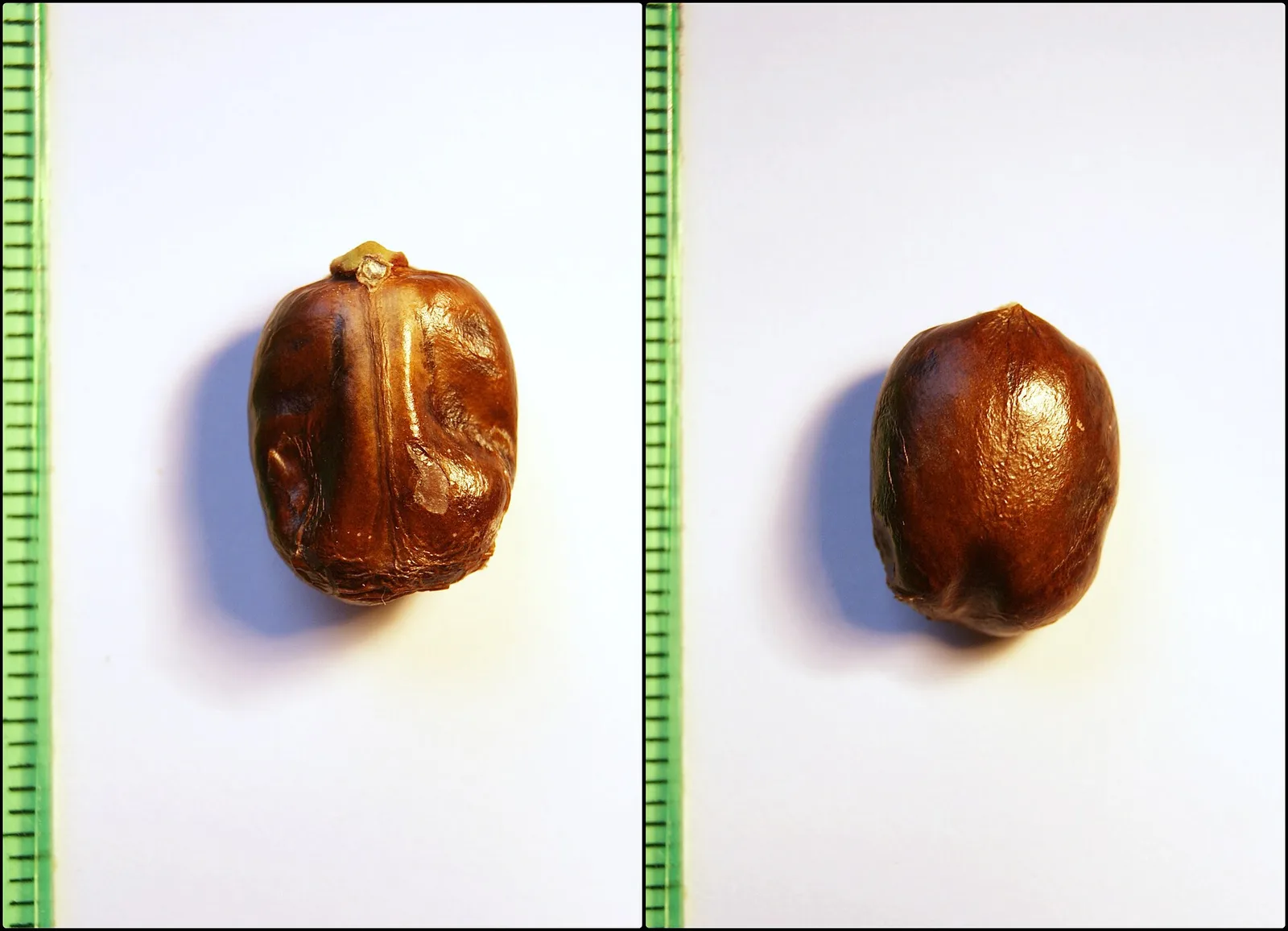
The UK government wants to require a licence to buy castor beans and rosary peas, the seeds that can be used to make the poisons ricin and abrin. The consultation behind the October 2 announcement goes further than the headline: it would also tighten rules on common nitrate and chlorate salts and could roughly double the cost of the licence itself.
The Home Office opened the consultation on October 1 and will take responses until November 11, 2026. The measures would apply in England, Scotland and Wales.
Closing a gap for seeds
Ricin and abrin are already tightly controlled, and the Biological Weapons Act 1974 makes it a crime to produce or possess them. The seeds are a different matter. They are sold for gardening and decoration, and the regulations that implement the Poisons Act 1972 carry a general exemption for "vascular plants and their seeds."
That gap is what the Southport Inquiry flagged. According to the consultation document, the inquiry's first report found that the man behind the July 2024 attack bought castor beans lawfully and produced a crude preparation of ricin without tripping any existing control. He was later convicted under the 1974 act.
The proposal would list ricin in castor beans and abrin in rosary peas as regulated poisons and remove the seed exemption for both. Selling them to a member of the public without a valid licence would become a criminal offence.
The chemicals further down the list
The same package reaches well beyond plants. Sodium nitrite, sodium nitrate and potassium nitrate would move from "reportable" to "regulated" above a concentration of 10%. The document notes that potassium nitrate is used in fertilisers, and that sodium nitrite has been linked to harmful use by individuals.
Four chlorate and perchlorate salts that are currently regulated only above 40% concentration would be regulated above 10%. Oxalic acid dihydrate would be added as a regulated poison above 14%, and calcium nitrate tetrahydrate would join the list of substances whose suspicious sales must be reported.
For hobbyists and home users, the practical effect is that more products would need a licence to buy. Businesses selling regulated poisons to other businesses would have to record the customer's name, address, photo ID and trade, and keep those records for 18 months.
A licence that costs more
The licence application fee has been £39.50 since 2015, with £25 for a replacement. The Home Office says inflation alone would put that at about £56 today, but it is proposing a fee "in the region of £70 to £80" on the grounds that the scheme has grown more complex to run.
Security Minister Dan Jarvis said the substances "can have legitimate uses" but must not be weaponised.
The government is candid about one limit. The consultation document concedes that tighter Poisons Act rules cannot shut every route, in particular purchases from sellers based overseas. A response will be published after the consultation closes, and no date has been set for any change in the law.
Sources
- Crackdown on chemicals used to make dangerous weaponsHome Officeprimary source