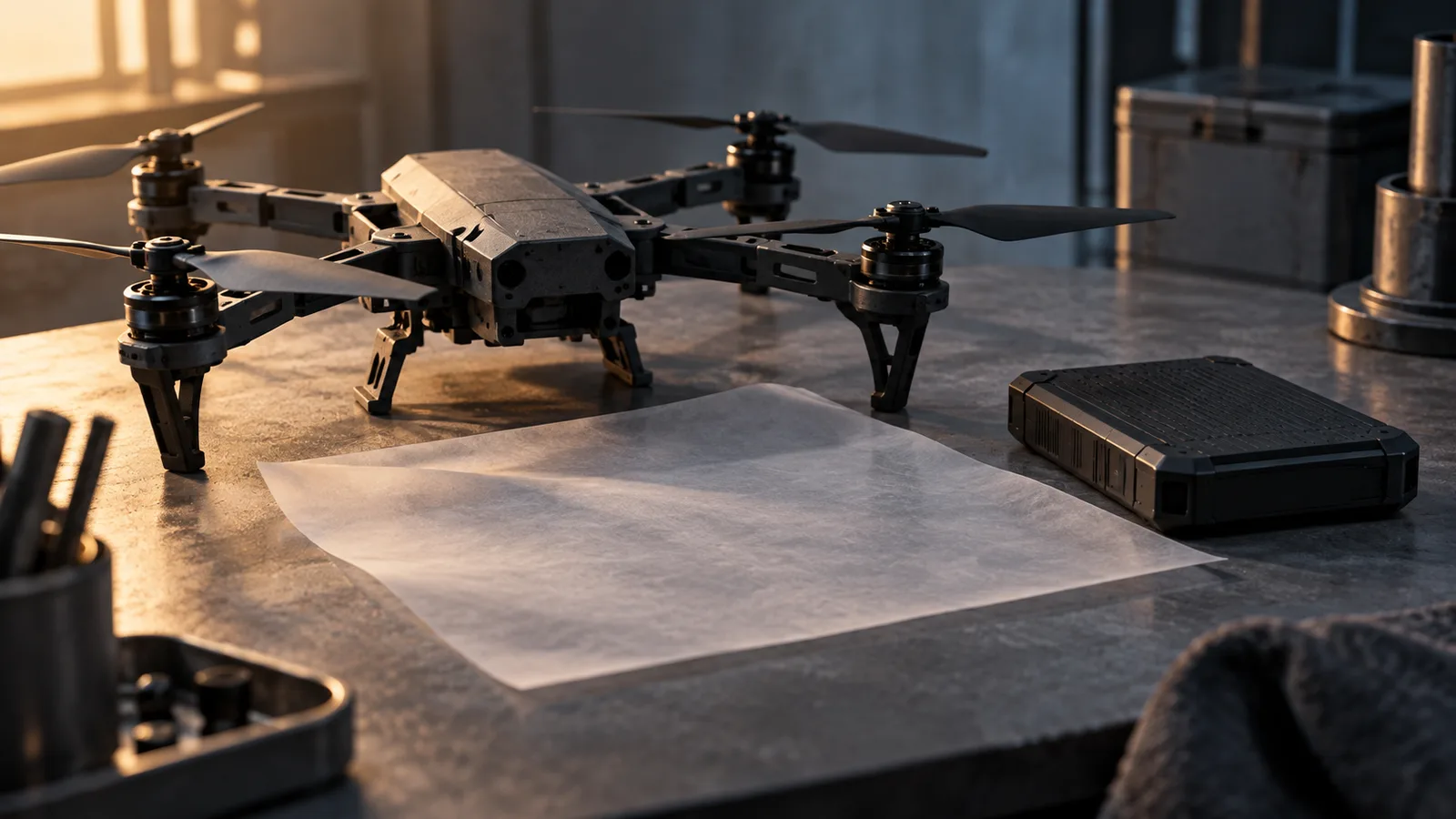
Britain is asking tech firms to tackle prison drone deliveries
A new competition offers up to £900,000 to test counter-drone ideas after 1,497 recorded prison drone incidents in a year. No winning technology has yet been selected.
OddBrief EditorialAI-assisted, human-reviewed
 Society
Key facts
- Area
- prisons in England and Wales
- Recorded drone incidents
- 1,497 in the year to March 2026
- New competition
- up to £900,000 for testing
- Wider programme
- £6.5 million UKRI investment
- Limit
- no chosen or proven new system announced
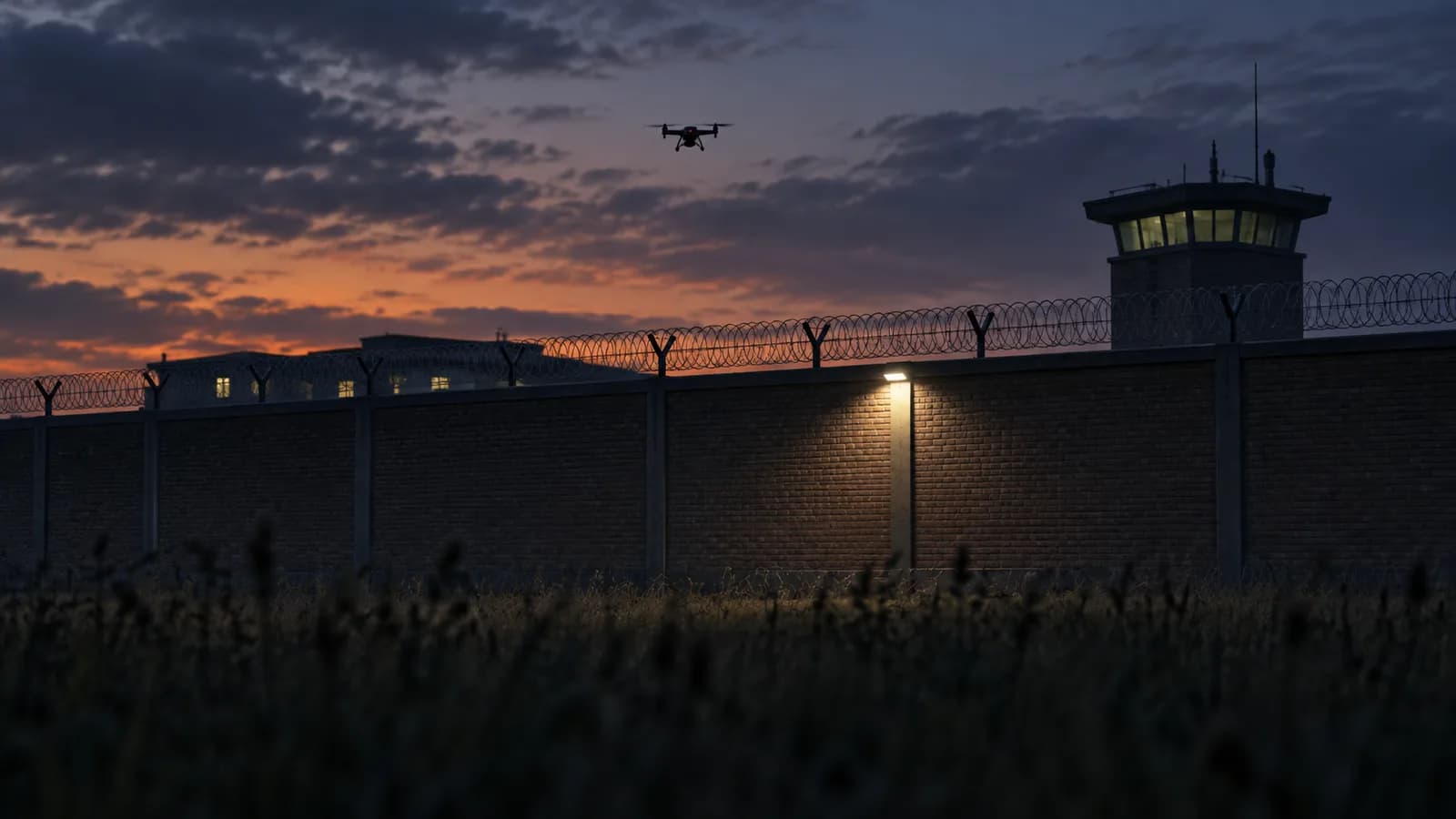
A drone outside a prison wall can be a delivery vehicle for phones, drugs or weapons. The UK government says there were 1,497 recorded drone incidents at prisons in England and Wales in the year to March 2026. It is now inviting technology firms to develop and test ways to counter the problem, with up to £900,000 available in the next phase of a wider research investment.
A competition, not an installed shield
The Ministry of Justice announced the call on September 28 as part of a broader prison-security package. The money is a share of a £6.5 million UK Research and Innovation programme aimed at developing new tools. It is intended for tests of potential solutions. The announcement does not identify a selected product, describe a completed trial or claim drones have been stopped at any specific prison by the new programme.
That distinction matters. Detecting a small aircraft, identifying a suspicious flight and safely preventing a drop are different engineering and legal problems. Technology that works at one site may have to contend with different buildings, nearby homes, legitimate aircraft and changing drone hardware at another. The government has not yet provided performance data for the proposals it hopes to fund.
The scale behind the call
The recorded incident figure covers a full year, not a count of successful deliveries. It nevertheless explains why prison officials view airborne smuggling as a continuing security risk. The government also referred to £35 million announced in June for physical measures at higher-risk prisons, including stronger window grilles. The new competition is a separate research and testing step alongside that earlier spending.
The September package additionally covers substance-free living units, construction training, community work and accommodation for people leaving prison. Those are different policies, and none should be counted as evidence that a counter-drone system works.
What to watch next
The meaningful milestones will be the selection of firms, clearly defined tests and public results showing what can be detected or prevented without creating new hazards. Procurement amounts alone do not measure operational success. For now, the news is that the government has put a specific research invitation and funding ceiling behind a very physical problem: a prison perimeter that extends into the air.
Sources
- UK Ministry of Justice, September 28, 2026UK Ministry of Justiceprimary source