Roman's telescope has a 1.4-terabyte-a-day delivery problem
NASA says stations in Japan, Australia and New Mexico passed data-reception tests for the space telescope. The network must keep up when science operations begin.
OddBrief EditorialAI-assisted, human-reviewed
 Science
Key facts
- Fact 1
- NASA tested ground stations in Japan, New Mexico and Australia
- Fact 2
- Roman may downlink about 1.4 terabytes daily
- Fact 3
- Maximum tested science-data rate is 500 megabits per second
- Fact 4
- Science operations are expected by early 2027
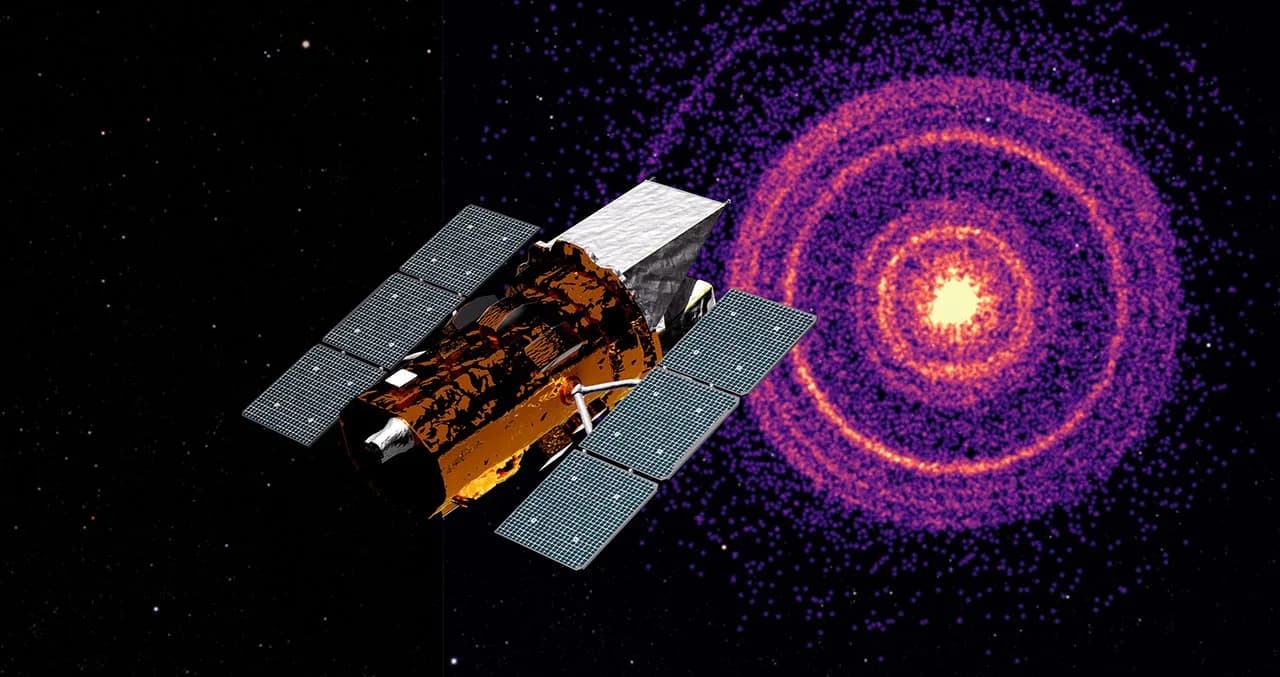
NASA's Nancy Grace Roman Space Telescope is built to survey huge stretches of the sky. That creates a less glamorous challenge than building a camera: getting the data home. On September 25, the mission team said its three primary ground-station locations had successfully received test transmissions, preparing for roughly 1.4 terabytes of downlinked data each day.
Three places to catch the signal
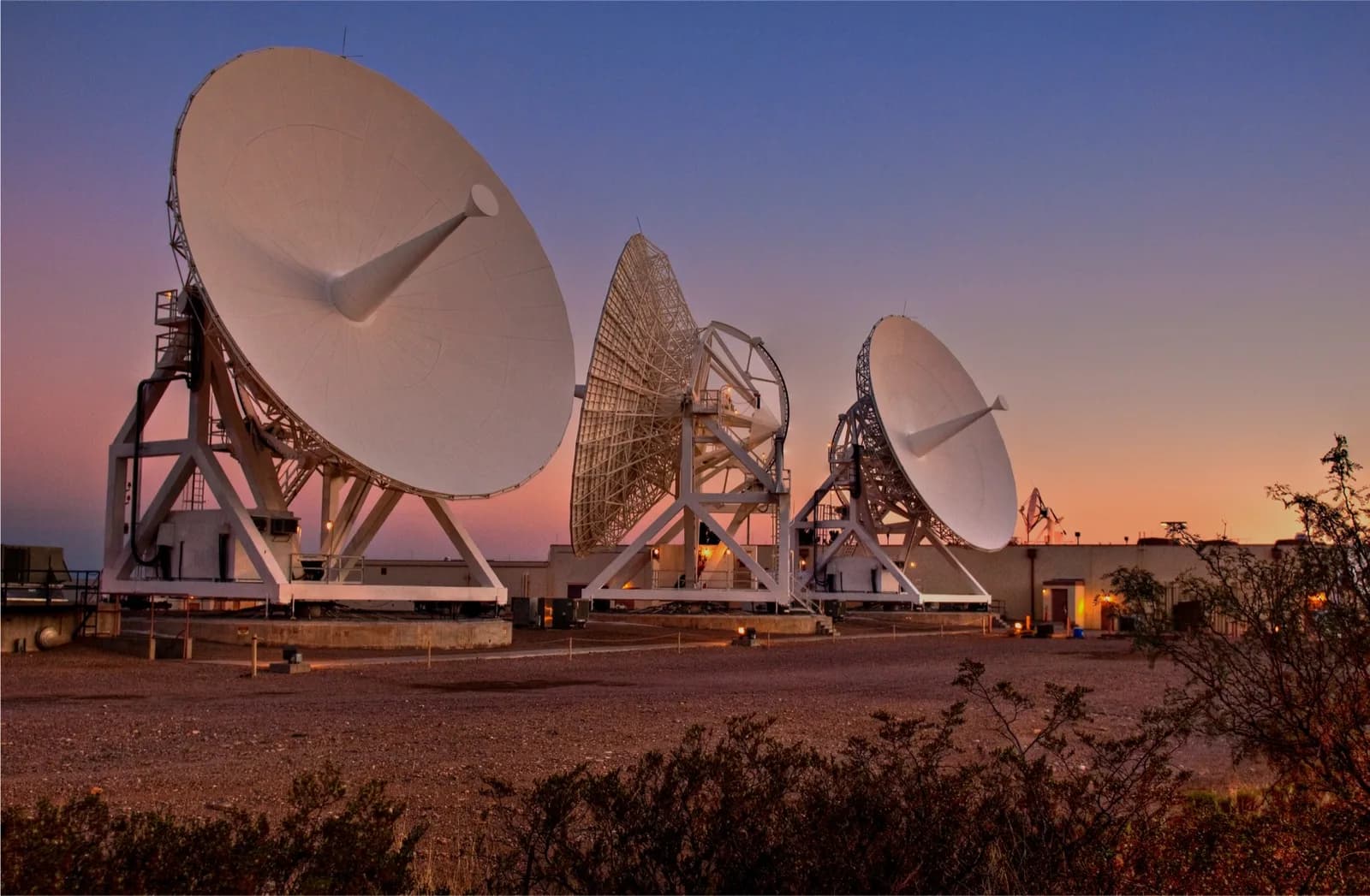
The stations are JAXA's Misasa Deep Space Station in Japan, NASA's White Sands facilities in New Mexico and an ESA station near New Norcia in Western Australia. Roman will operate roughly a million miles from Earth near the Sun-Earth L2 point. NASA says the science-data link can reach up to 500 megabits per second, faster than any previous NASA astrophysics mission's daily data flow.
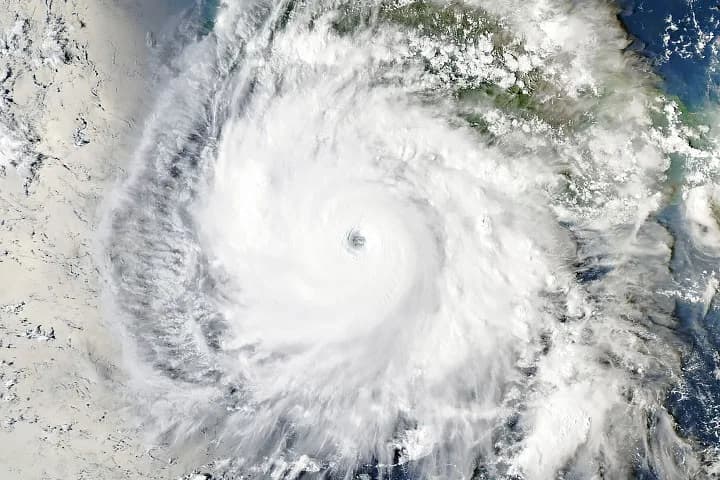
The sequence of tests began at Misasa on September 7. Engineers checked the antenna at Roman's maximum rate despite a typhoon in Japan. White Sands and its backup antenna were tested between September 8 and 11. The ESA station passed tests on September 17. These were checks of the network and spacecraft data path, not the start of full scientific surveys.
Weather matters because rain can scatter or weaken radio signals at the wavelengths involved. The geographic spread gives operators different climates and different chances to receive a clean transmission. NASA says its automated systems can identify missing data and request another transmission from Roman's onboard recorder a few hours later. The maximum rate will still vary with the observatory's distance and angle above a station's horizon.
What the test proves
The team used real operational information, including instrument temperatures, power draw and preliminary image data. It says all three stations received the rates tested. That verifies a crucial route from spacecraft to Earth, but it does not yet prove uninterrupted delivery of a full science program over years.
NASA expects Roman's science operations to begin by early 2027. When that happens, the telescope's wide surveys are expected to produce far more images than operators could plausibly inspect by hand. Astronomers studying galaxies, dark energy and exoplanets will depend on the mundane reliability of antennas, storage and retransmission.
Roman's cameras may take the public-facing photographs, but the mission's bottleneck could be the invisible trip those files make back to Earth. This test reduces that risk. Sustained performance under ordinary weather, equipment faults and full daily volume remains the next test.
Sources
- NASA's Roman team confirms ground stations receiving dataNASAprimary source