NASA wants the public to teach AI which telescope signals are fake
Artifact InSPECtor asks volunteers to label glitches in Euclid data so AI can separate telescope artifacts from real cosmic signals.
OddBrief EditorialAI-assisted, human-reviewed
 Science
Key facts
- Project
- NASA Artifact InSPECtor
- Task
- volunteers verify artifacts flagged in telescope spectra
- Data
- Euclid now, Roman beginning in early 2027
- Purpose
- improve AI cleaning for galaxy and dark-energy research
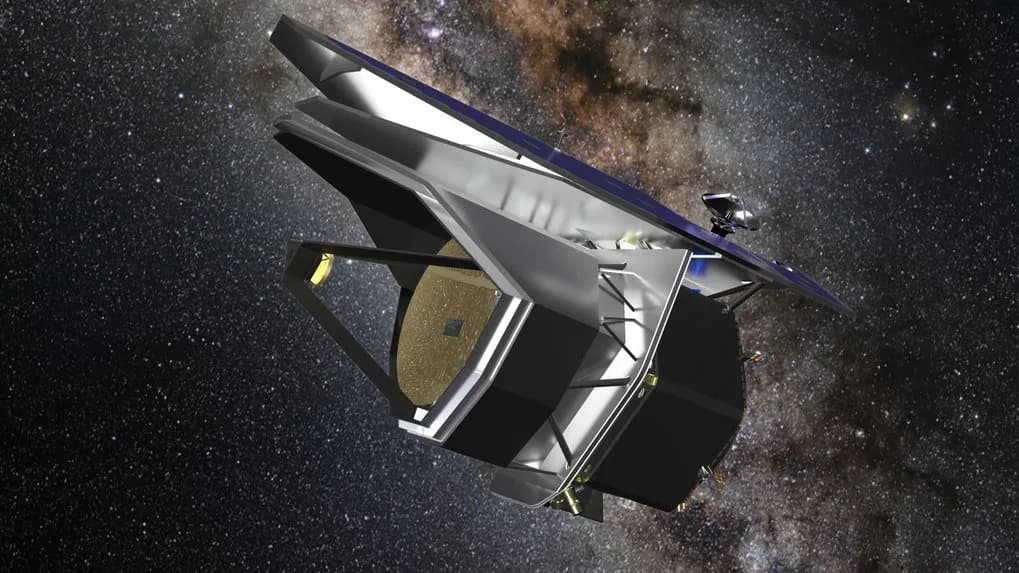
NASA is asking members of the public to inspect real space-telescope data and help artificial intelligence learn which signals are not real. The new Artifact InSPECtor citizen-science project will use volunteer judgments to improve the tools that clean observations from Europe's Euclid telescope and NASA's Nancy Grace Roman Space Telescope.
The project opened on September 11 and works on phones, tablets and computers. NASA says participants do not need scientific training because the site teaches them how to recognize the patterns they will classify.
Telescopes photograph their own imperfections
Astronomical instruments do not receive a perfectly clean view of the universe. Light can reflect from a telescope's housing, cosmic rays can strike a detector, and cameras or electronics can introduce their own visual signatures.
Scientists call these false signals artifacts. In a spectrum, they can resemble information about a galaxy or obscure the data researchers actually need.
Euclid and Roman use spectrographs that split the light from distant galaxies into bands of color. Those spectra can reveal how far away a galaxy is, which kinds of stars it contains and clues about the supermassive black hole at its center.
Before researchers can use those measurements, they need to know which pixels belong to the sky and which belong to the instrument.
Humans will check the machine's homework
AI tools already identify suspicious pixels, but new instruments produce unfamiliar artifacts that the models do not always classify correctly. Artifact InSPECtor shows volunteers examples from Euclid and asks them to verify whether the machine's labels make sense.
The classifications will be used to improve the instructions guiding the AI. The public is not replacing the algorithm or the astronomers. Volunteers supply the human judgments needed to make an automated cleaning system more reliable.
NASA highlighted a nine-year-old participant named Maeve, underscoring that the task is designed for a broad audience rather than professional researchers. Roman data is scheduled to join the project in early 2027 after the telescope begins science operations.
A small task connected to dark energy
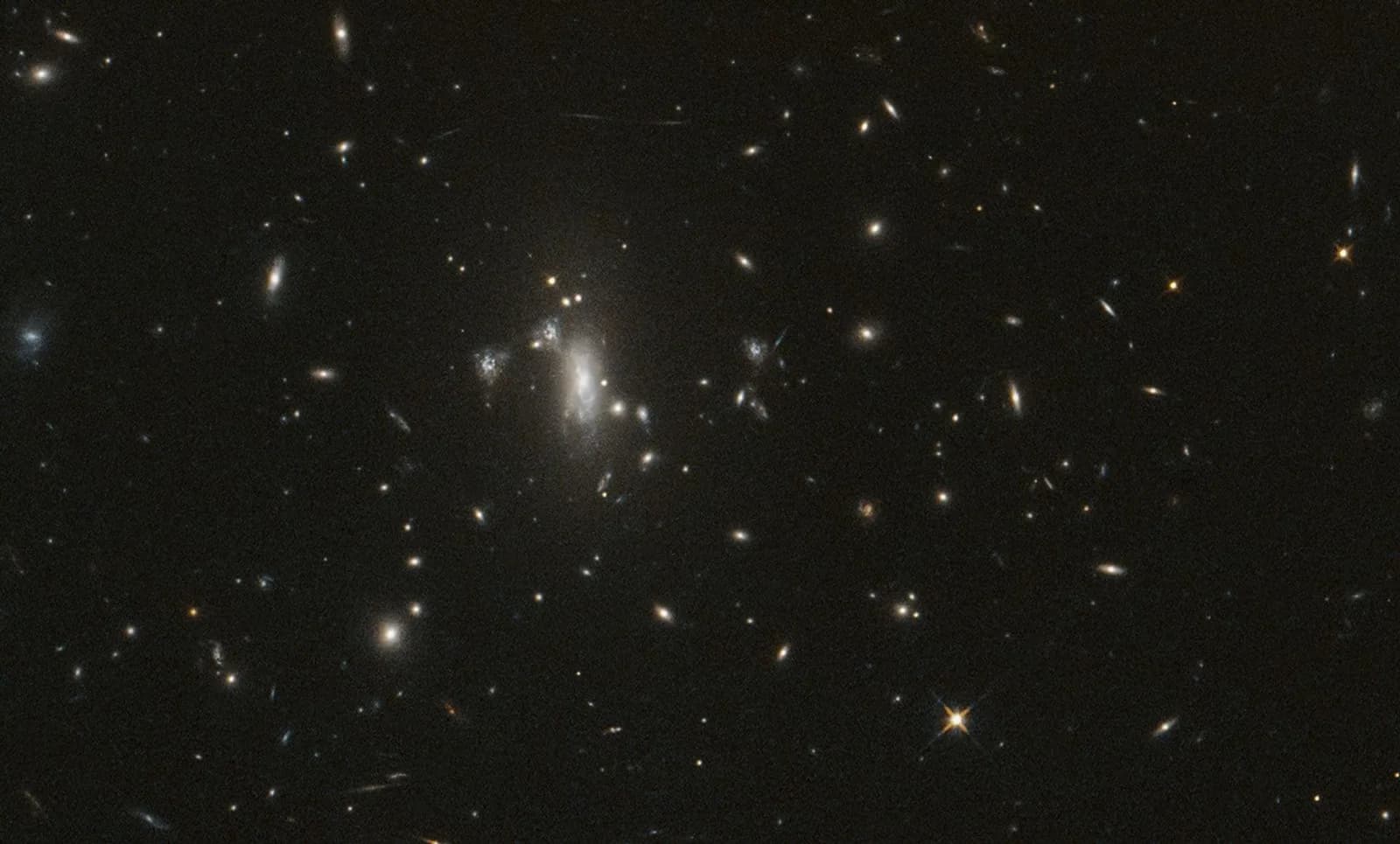
Euclid is already collecting light from millions of distant galaxies. Roman will observe a similarly large population at different distances and densities across the sky.
Together, their measurements are intended to help scientists study the expansion of the universe and dark energy, the name given to the still-unexplained force associated with that expansion. Cleaning artifacts is an unglamorous step, but errors at that stage can ripple into the measurements used for much larger conclusions.
Artifact InSPECtor is live now with Euclid observations. The next expansion is the addition of Roman data in 2027, when volunteers will begin seeing artifacts from a second, newly operating instrument.
Sources
- Help Refine Data from Space Telescopes with Artifact InSPECtorNASAprimary source