COVID lockdowns cut global fires by 12.3%, but Honduras saw 70% more
A satellite study of early 2020 found fewer fires worldwide, but sharp rises in Honduras and Colombia, possibly because fewer people were patrolling.
OddBrief EditorialAI-assisted, human-reviewed
 Science
Key facts
- Global
- fire incidents fell 12.3% in January to June 2020 versus 2013 to 2019
- Exceptions
- fires rose 70% in Honduras and 31% in Colombia
- Prescribed fire
- burned area roughly halved in 12 countries with records
- Published
- Cell Reports Sustainability, October 9, 2026
When the world slowed down in the first half of 2020, global fire incidents fell by 12.3% compared with 2013 to 2019, according to a study published October 9 in Cell Reports Sustainability. But the drop was not universal: fires rose 70% in Honduras and 31% in Colombia over the same period.
The authors, led by Jianghao Wang of the Chinese Academy of Sciences, read the split as evidence that people both start fires and stop them, and that lockdowns removed both roles at once.
Two sides of the same pause
The team combined satellite fire observations with weather records, government lockdown policies and mobility data, and compared the first six months of 2020 with the same months in earlier years. Burned area and carbon emissions were also below their historical averages.
The biggest drops were dramatic. Australia saw a 79% fall in fire activity, and the United States a drop of nearly 23%.
Where fires increased, Wang suggests the cause may be in part that fire management slipped during lockdowns, with fewer people on watch or out on patrol, so blazes burned longer before anyone responded. The study is observational, so it shows what happened alongside lockdowns rather than proving each cause.
Fewer planned burns, still fewer fires
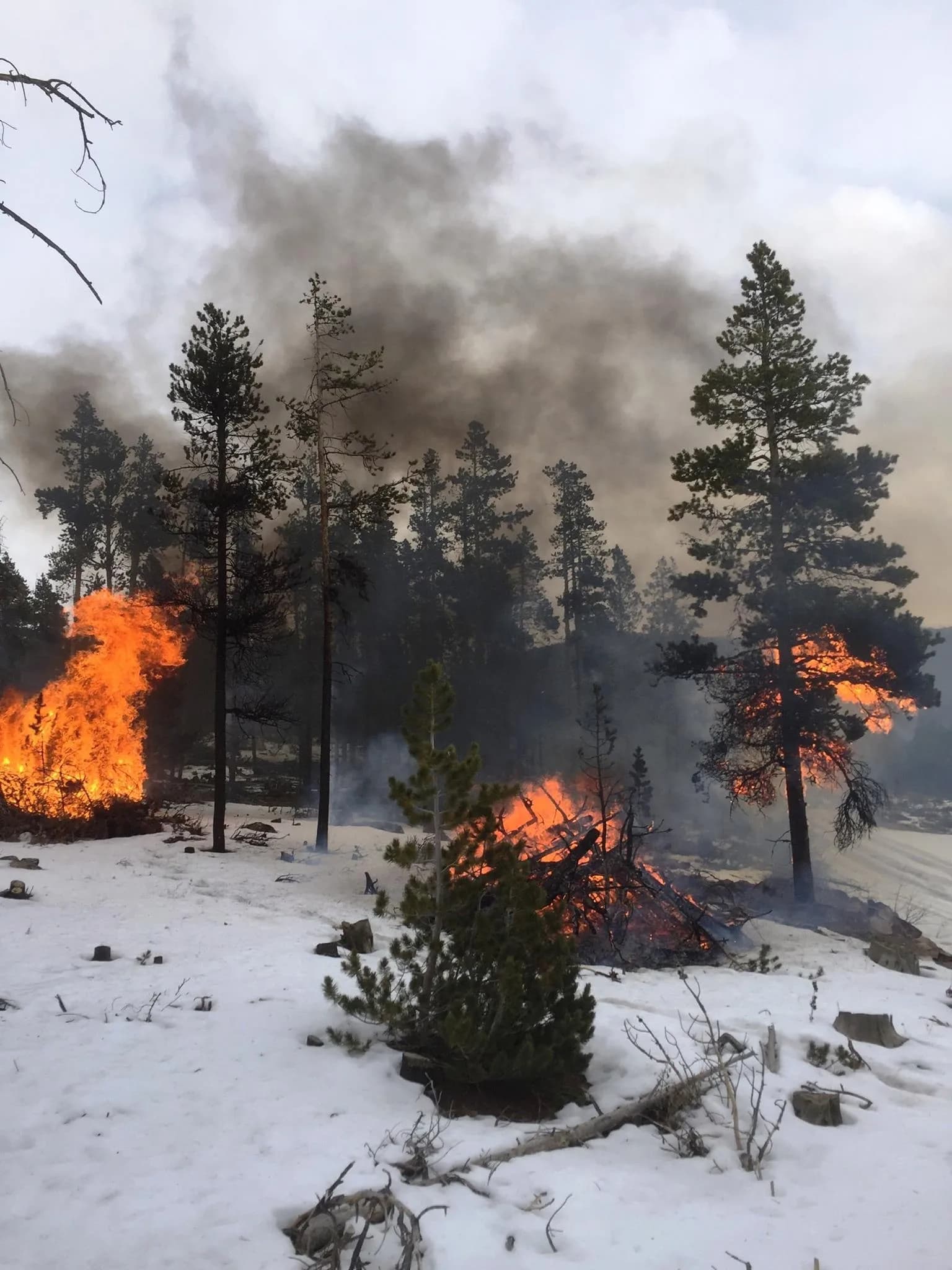
One obvious objection is that lockdowns also stopped prescribed burning, the deliberate fires land managers set to clear fuel. In the 12 countries with detailed records, including the United States and Canada, prescribed burning in 2020 covered only about half the area it usually does.
Even in those countries, the researchers found, overall fire incidents still dropped by more than 27% after lockdowns. Forests saw the largest decline, more than 27%, against 8% in grasslands, which the authors take as a sign that forests are especially exposed to fires people start.
Colombia was already a warning
The Colombian result fits earlier work. A 2020 study by researchers at the London School of Economics and the University of Bristol, published in Environmental and Resource Economics, linked Colombia's lockdown to more forest fires than expected, and found the rise correlated with the presence of armed groups in some regions.
Wang calls human activity "a double-edged sword when it comes to wildfire." His policy suggestion is regional: where people cause most ignitions, tighter control of fire use cuts incidents, but where people are scarce and firefighting resources thin, more monitoring and patrols may matter more.
The analysis covers only six months and, for prescribed burning, only 12 countries, so it cannot say how long either effect would last.
Sources
- Global wildfires decreased during the COVID-19 lockdown, but some fires intensified without human interventionCell Press via EurekAlertprimary source
- Unraveling the dual roles of human activity in shaping global fire regimesCell Reports Sustainability
- The Unintended Impact of Colombia's Covid-19 Lockdown on Forest FiresEnvironmental and Resource Economics