Breathwork cut brain blood flow about 45%, yet altered states tracked network changes
In an MRI study of 30 practitioners, intense breathing produced psychedelic-like states. Blood flow loss alone did not explain their strength.
OddBrief EditorialAI-assisted, human-reviewed
 Science
Key facts
- Who
- Central Institute of Mental Health, Mannheim, presented at the ECNP Congress in Munich
- Study
- 30 experienced practitioners doing high-ventilation breathwork in an MRI scanner
- Number
- grey-matter blood flow dropped to 9.81 from 16.24 (ml per 100 g per minute), about 45%
- Finding
- stronger experiences tracked default mode network changes, not blood flow loss alone
Intense breathing exercises lowered blood flow to the brain by about 45% on average and changed how brain networks communicate, according to an imaging study presented at the European College of Neuropsychopharmacology (ECNP) Congress in Munich. The researchers say the strength of the altered state people reported tracked the network changes more closely than the drop in blood flow.
That matters because a common explanation for breathwork experiences is simply that the brain is getting less blood. This study suggests that is not the whole story.
Thirty practitioners, breathing hard inside a scanner
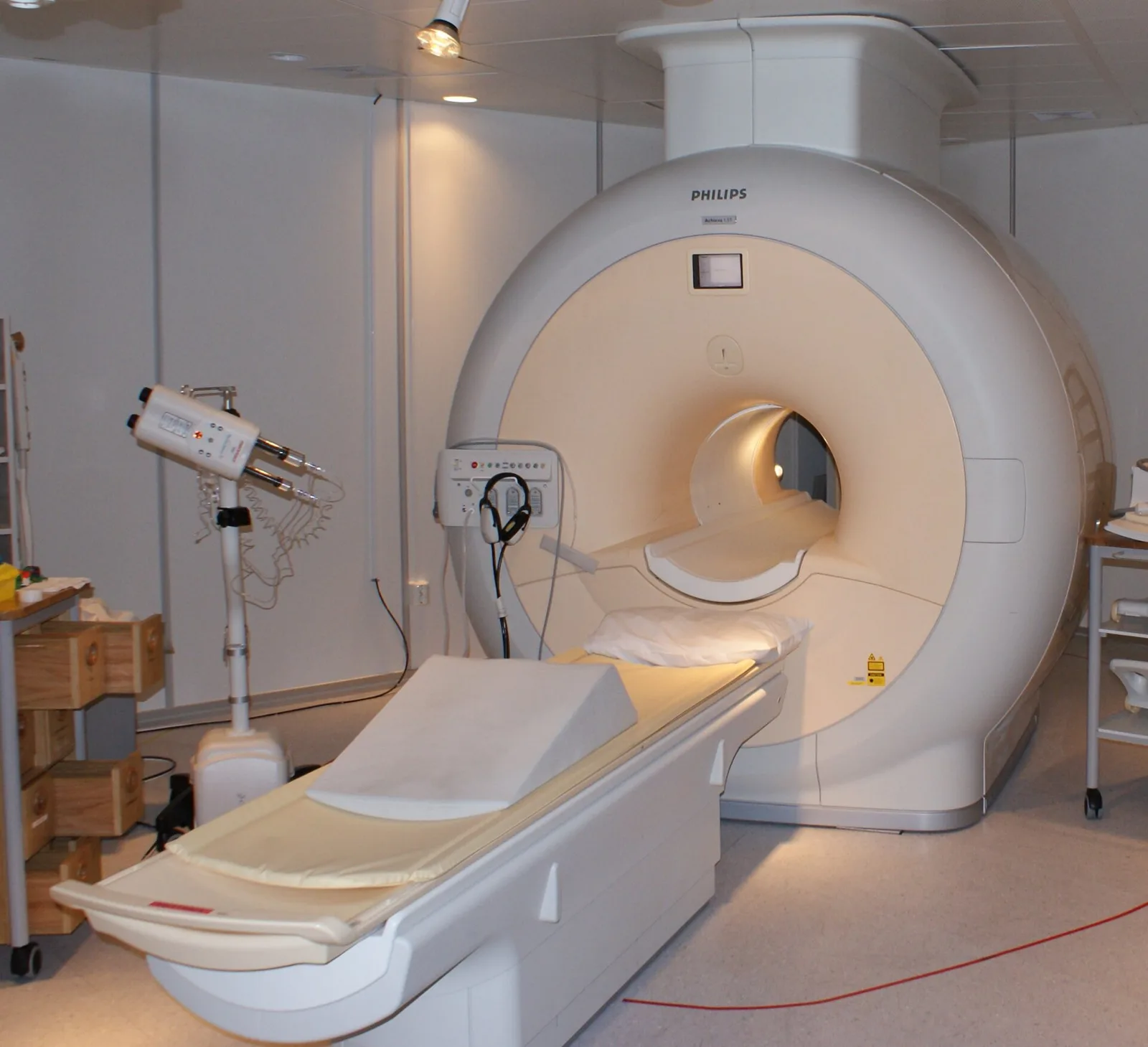
The team, led by Christian Schmitz of the Central Institute of Mental Health in Mannheim, scanned 30 healthy people who were already experienced in breathwork while they performed high-ventilation breathing inside an MRI machine.
Participants reported strong altered states, mostly what the researchers call an oceanic state, a deep sense of connection to the universe. According to ECNP, it was comparable to taking a fairly strong dose of psilocybin or LSD, minus most of the visual effects. People also described altered perception, vivid mental imagery and changes in their sense of self.
The numbers behind the 45%
Average blood flow to the brain's grey matter fell from 16.24 to 9.81 milliliters per 100 grams per minute during the session, a drop of roughly 45%.
The people who reported the strongest experiences also showed the biggest changes in the default mode network, a set of brain regions tied to self-reflection and thinking about oneself. Schmitz said the experiences appear linked not only to the fall in blood flow but also to how key brain networks communicate.
Why the result is preliminary
The study had no control group and included only experienced practitioners. Co-coordinator Hana Adolphi called it relatively small and said larger studies are needed to see whether the brain changes have any clinical relevance.
Guy Fincham of Brighton and Sussex Medical School, who was not involved, said the next step should be a randomized controlled trial in people who have never done breathwork, to see whether the findings hold more widely. David Nutt of Imperial College London, also not involved, described breathwork as a non-drug bridge to psychedelic research.
The researchers see breathwork as a legal, cheap way to study altered states without drugs. Whether those states can be used to treat anything has not been tested in this study.
Sources
- Intensive breathing alters consciousness by changing brain communicationEuropean College of Neuropsychopharmacologyprimary source