A newly found amoeba can reproduce at 63°C, raising the heat limit for complex life
NASA-funded researchers found a hot-spring amoeba that reproduces above the previous eukaryote record, with clear limits on what the result means for life elsewhere.
OddBrief EditorialAI-assisted, human-reviewed
 Science
Key facts
- Organism
- Incendiamoeba cascadensis
- Location
- Lassen Volcanic National Park, California
- Reproduction
- Observed at 63°C
- Movement
- Observed at 64°C
- Heat exposure
- Recovered after 5 minutes at 70°C; 80°C was lethal
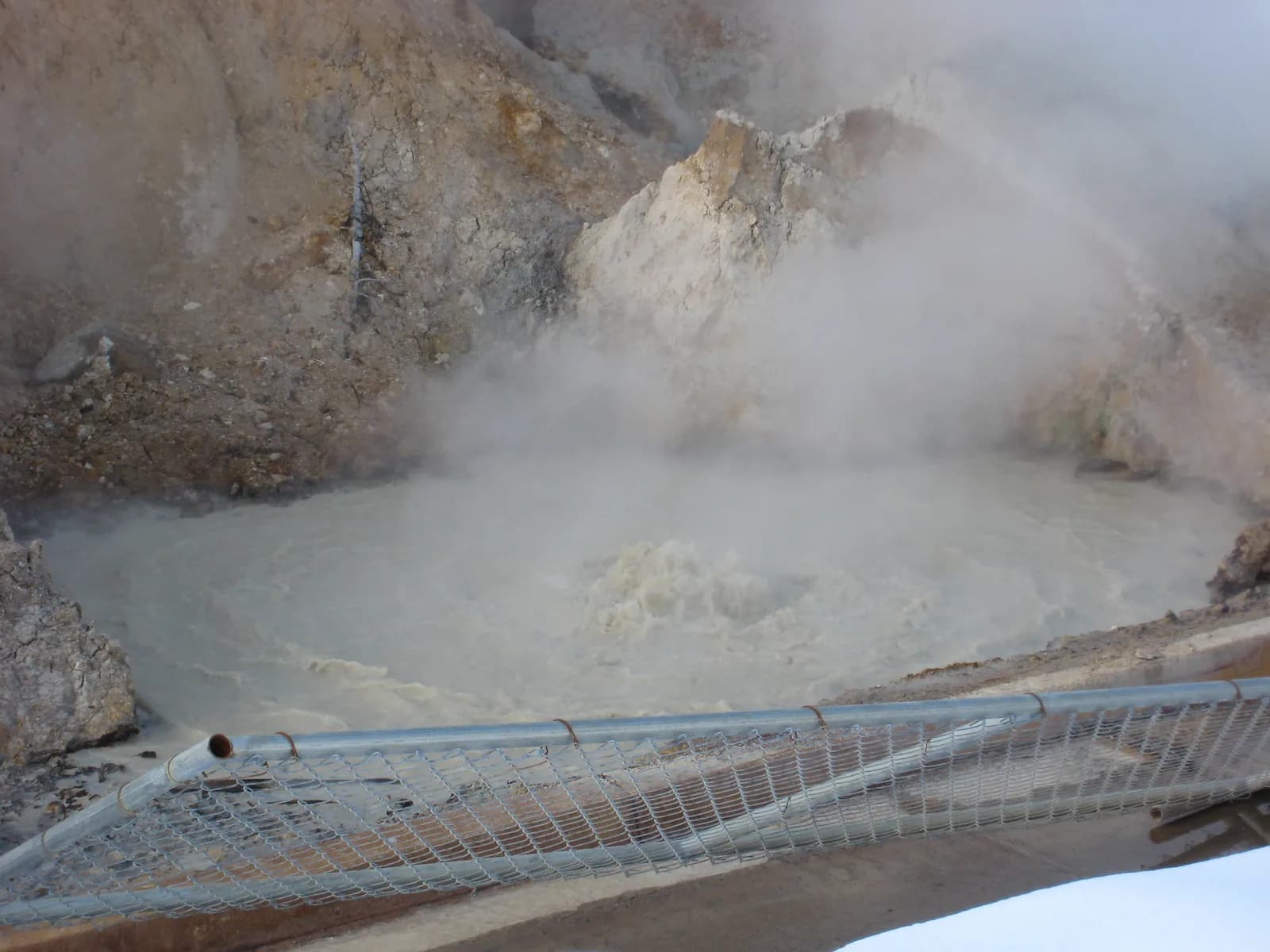
NASA-funded researchers reported on September 22 that a newly described amoeba from California's Lassen Volcanic National Park can reproduce at 63°C, above the previously reported limit for organisms with complex cells. The organism, named Incendiamoeba cascadensis, does not prove life exists elsewhere. It does widen the range of conditions in which scientists know a eukaryote can function on Earth.
A hotter limit for complex cells
Eukaryotes have a nucleus and other membrane-bound structures. That internal machinery makes heat especially challenging: proteins can unfold, membranes can lose stability and genetic material can be damaged. Bacteria and archaea are well known for thriving in extreme heat, but researchers had recorded a much lower upper limit for eukaryotes.
The previous reported reproduction threshold was 60°C, set by some fungi and red algae. The new amoeba divided at 63°C in laboratory observations, according to the NASA-supported study published in Cell. It stopped reproducing above that point but still moved and searched for food at 64°C. Those are different measures of survival. Remaining mobile for a short period is not the same as maintaining a population.
Researchers also observed partial activity at 66°C and recovery after a five-minute exposure to 70°C. Exposure to 80°C was lethal in their tests. The temperature figures describe particular experimental conditions, not a universal promise that every cell could survive the same heat in nature.
What may keep the amoeba intact
The team sequenced the organism's genome and examined gene activity at different temperatures. It identified genes associated with DNA protection, environmental sensing and protein folding. Some proteins also have high positive surface charge, a trait the researchers suggest may help them remain stable in heat. The study points to possible mechanisms, but identifying a genetic association is not the same as proving which one sets the temperature limit.
The scientists found related DNA signatures in geothermal samples from other locations, including Yellowstone and New Zealand. That suggests similar organisms might be more widespread than a single spring, though a DNA match alone does not establish that living amoebas are thriving there.
A clue for astrobiology, not a discovery of aliens
Knowing how much heat complex cells can tolerate helps astrobiologists think more carefully about habitable environments. The result challenges a prior assumption about membrane stability, but it does not mean hot worlds are automatically suitable for life.
The amoeba still depends on water, food, oxygen, suitable acidity and a wider ecosystem. NASA and the researchers emphasize that Earth remains the only world known to host life. The next work is to test how this organism copes with heat at the molecular level and to look for relatives in other geothermal settings.
Sources
- NASA-Funded Research Finds Complex Life Defying Record HeatNASA Scienceprimary source