Google is spending €13 billion on AI infrastructure in Finland
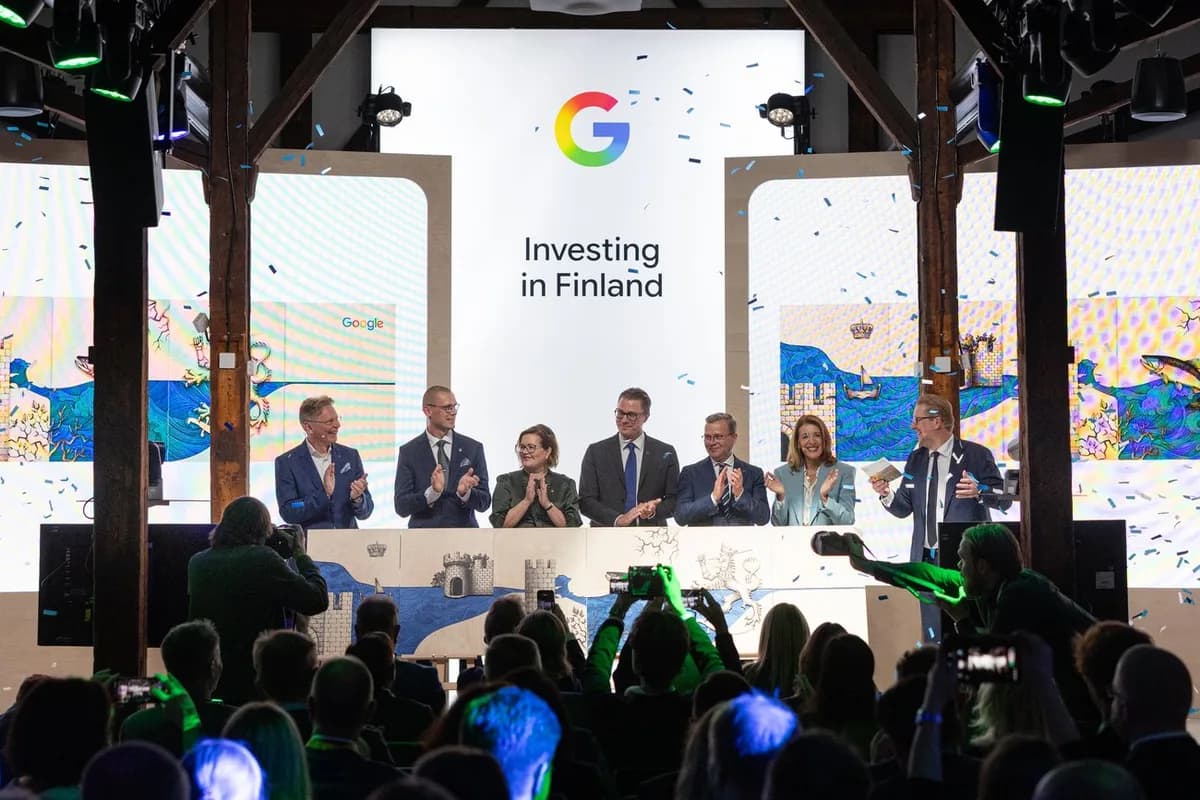
Google will invest at least €13 billion in Finnish digital and AI infrastructure over two years, alongside a 22-year agreement supporting the Loviisa nuclear power plant.
OddBrief EditorialAI-assisted, human-reviewed
 Tech
TechGoogle will invest at least €13 billion in digital and AI infrastructure across Finland over the next two years, making it the company's largest single investment in Europe.
The expansion includes new data center and supporting infrastructure in Hamina, Kajaani, Muhos and Vaala. Google says the investment is intended to support growing demand for services including Gemini, Search and Maps.
But the more unusual part of the announcement is the energy strategy behind it.
Google is tying AI growth to nuclear power
Google has signed a 22-year power purchase agreement with Finnish energy company Fortum connected to the Loviisa nuclear power plant.
The agreement is designed to provide the long-term revenue certainty needed to support an extension of the plant's operating life.
Loviisa currently supplies roughly 10% of Finland's electricity and employs around 580 people.
Google and Fortum will also explore new carbon-free generation projects, including the possibility of additional nuclear capacity at the site.
The agreement represents Google's first nuclear plant life-extension deal.
AI infrastructure is becoming an energy story
Frontier AI increasingly depends on enormous physical infrastructure.
Training models and serving products such as Gemini requires data centers, networking equipment, cooling systems and large amounts of reliable electricity.
Google is therefore expanding its energy investments alongside its computing footprint.
The Finland plan also includes additional wind power agreements and a new 94 MW battery system expected to connect to the grid near Kajaani in late 2027.
The company says it is deliberately locating new data centers closer to regions with existing grid capacity and carbon-free electricity.
Why Finland?
Finland offers several advantages for large data centers, including a relatively cool climate, an established low-carbon electricity system and access to existing grid infrastructure.
Google has operated a major data center in Hamina since converting a former paper mill there more than 15 years ago.
Its latest investment turns that presence into something much larger.
The AI infrastructure race is no longer only about who can buy the most GPUs.
It is increasingly about who can secure enough land, electricity and grid capacity to keep those GPUs running.