Massachusetts tells large data centers to secure their own clean power
Massachusetts has introduced new rules for data centers above 25 MW, requiring local approval, new clean electricity procurement and stronger protections for ratepayers, water and surrounding communities.
OddBrief EditorialAI-assisted, human-reviewed
 Society
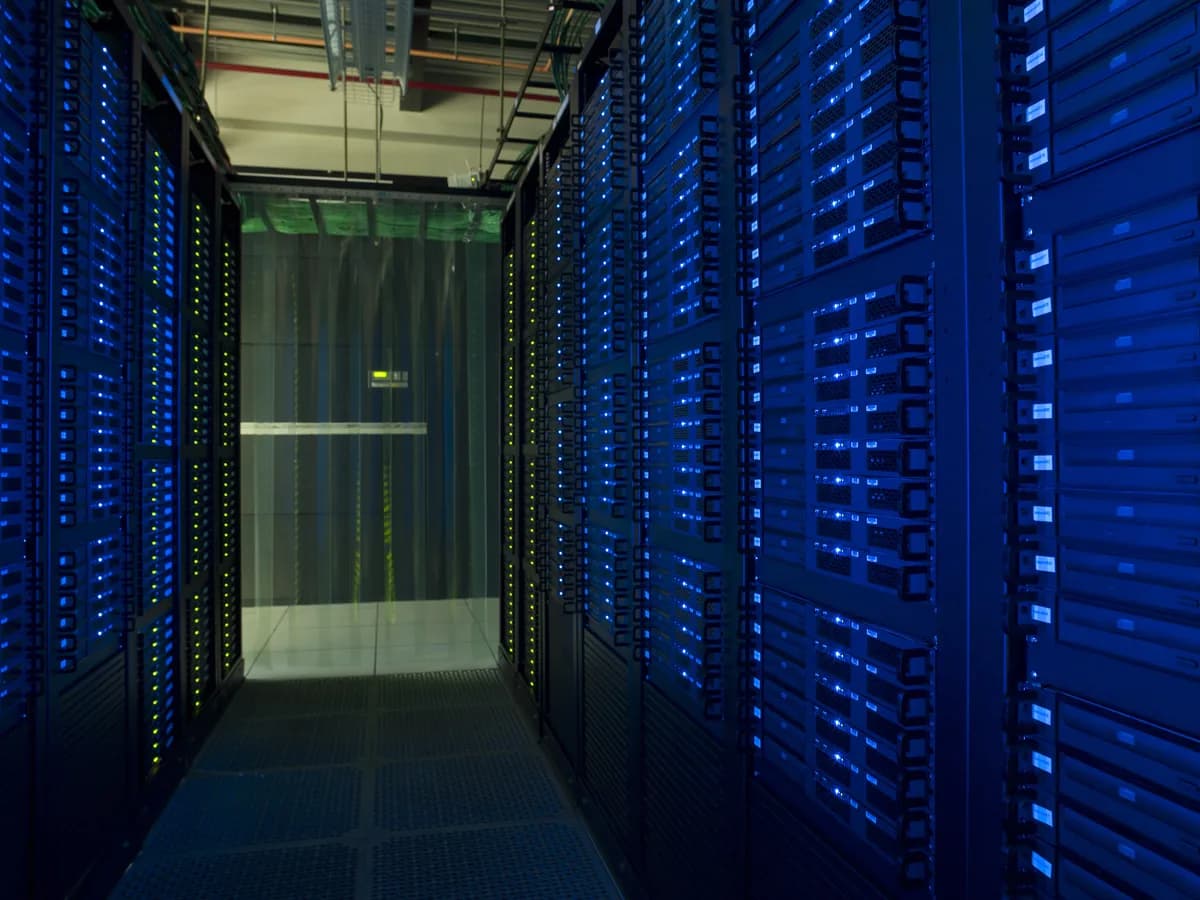
Massachusetts is imposing new requirements on large data centers as AI-driven electricity demand accelerates.
Governor Maura Healey has signed an executive order covering data center projects with peak electricity demand above 25 megawatts.
The rules are designed to prevent large computing facilities from shifting the cost of their infrastructure and power demand onto existing electricity customers.
Large data centers need new clean electricity
Projects above the 25 MW threshold will be required to procure sufficient additional clean electricity generation to cover their annual electricity consumption.
State regulators have also been directed to establish an alternative compliance payment mechanism for projects that do not procure enough new clean power.
Money collected through that mechanism will go into a Ratepayer Protection Fund intended to reduce electricity supply costs for consumers.
The order also calls for large data centers to cover grid infrastructure associated with their own demand rather than passing those costs to other ratepayers.
Communities get more control
The state says projects will also need local approval before progressing through state permitting.
Developers must comply with requirements covering issues including water use, air quality, public health and community engagement.
Community benefit agreements will be required for affected projects.
The order also prohibits permitting agencies from using non-disclosure agreements with data center projects except where otherwise required by law.
AI is turning data centers into an energy policy issue
The measures arrive as AI companies and cloud providers seek enormous amounts of new data center capacity across the United States.
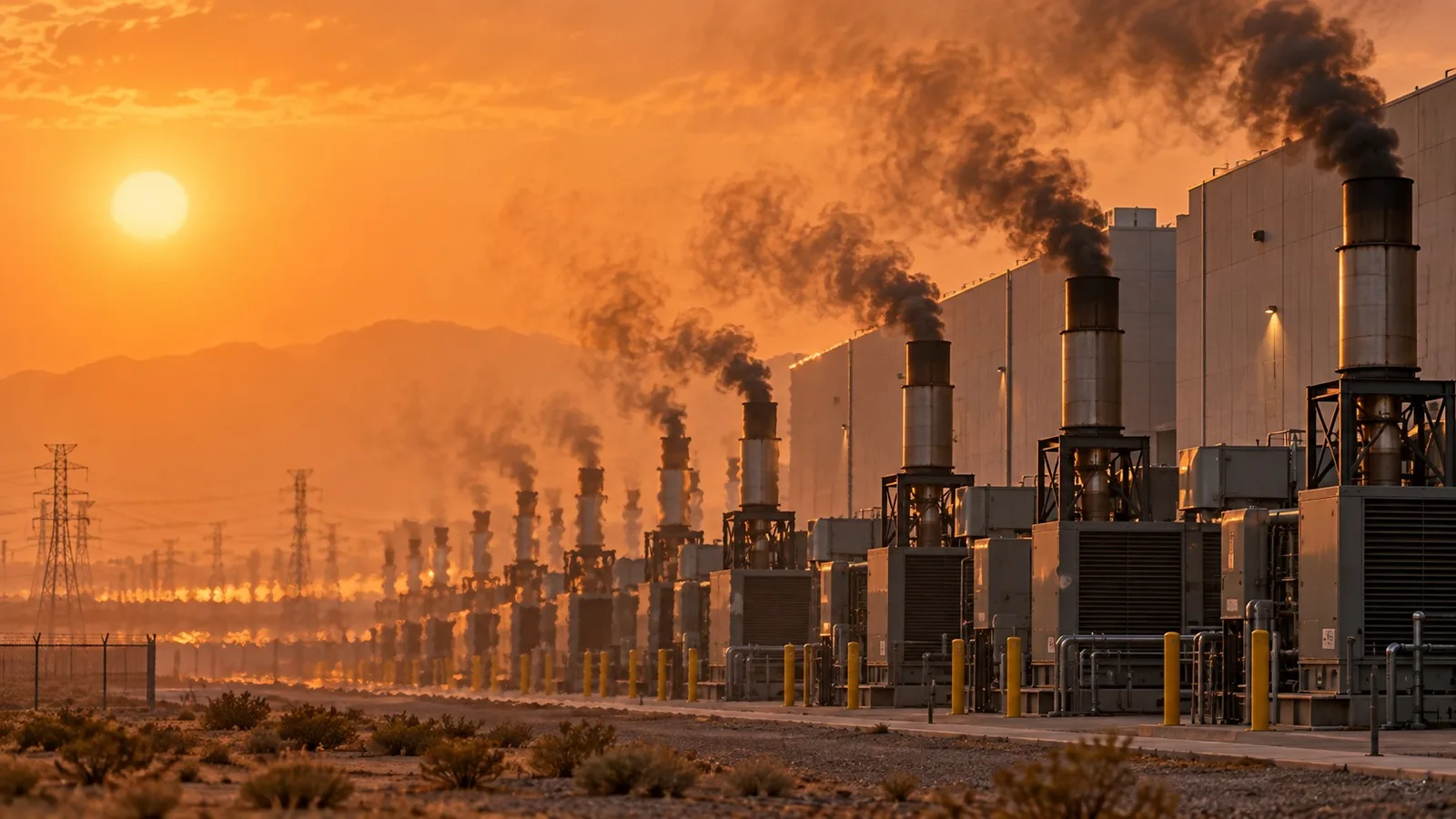
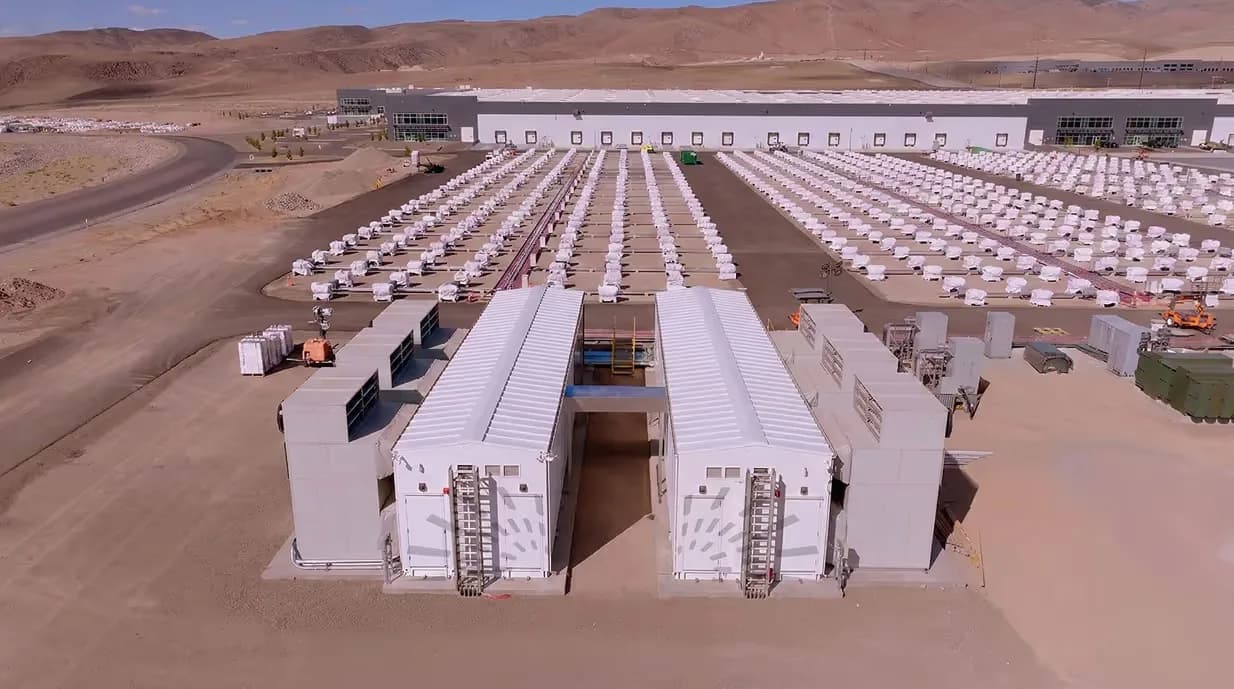
A single large facility can require hundreds of megawatts of electricity.
That creates economic opportunities for states and municipalities but can also require expensive grid upgrades and place additional pressure on electricity supply and water resources.
Massachusetts is effectively setting a new principle for that expansion.
If a large data center creates new infrastructure and power requirements, the state wants the developer rather than existing residents to absorb more of those costs.