Nona’s tiny antibody model beats giant protein LMs on developability
Nona Biosciences unveiled HCAbLM, a 366-million-parameter language model trained on 31.8 million fully human heavy-chain-only antibody sequences. On SEC purity and HIC benchmarks it beat Meta’s 6-billion-parameter ESM-6B and prior antibody models IgLM and AbLang.
OddBrief EditorialAI-assisted, human-reviewed
 Science
Key facts
- Model
- HCAbLM, 366M parameters, first LM trained specifically on fully human HCAbs
- Data
- 31.8M sequences from 73 independently immunized HCAb transgenic mice
- Benchmarks
- Outperformed Meta ESM-6B (6B), IgLM, and AbLang on SEC purity and HIC
- Claim
- Bottleneck shifted from binder design to manufacturability and developability
The antibody AI race used to be about designing something that binds. Nona Biosciences is arguing that the harder problem is whether you can manufacture the binder at all. On September 16, 2026, the Cambridge, Massachusetts biotech said it had built HCAbLM, which it calls the world’s first language model trained specifically on fully human heavy-chain-only antibodies. The model has 366 million parameters. On public developability benchmarks for size-exclusion chromatography purity and hydrophobic interaction chromatography behavior, Nona says it beat Meta’s ESM-6B with 6 billion parameters, plus earlier antibody language models IgLM and AbLang.
Why HCAbs need their own grammar
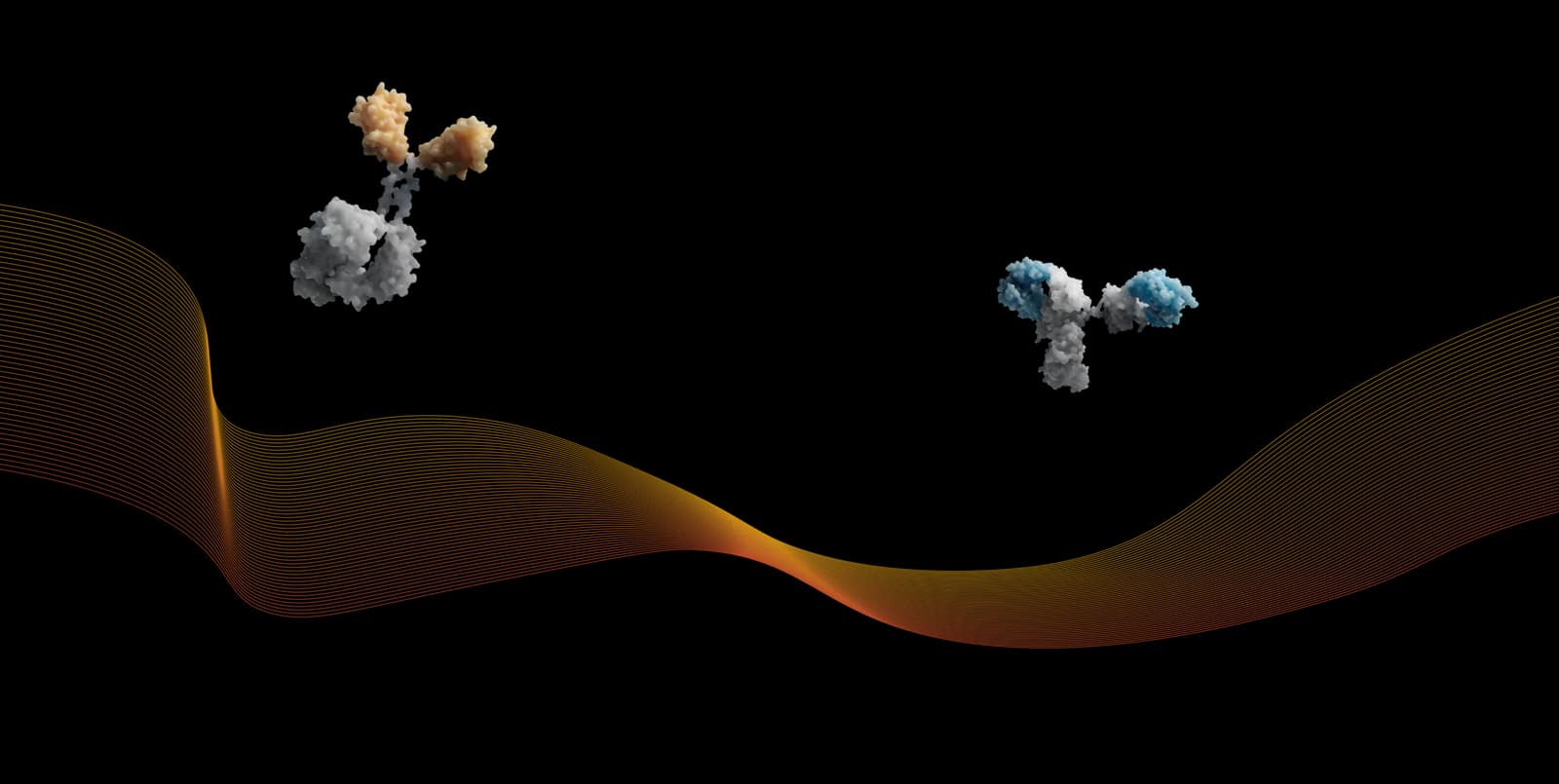
Heavy-chain-only antibodies are not a niche curiosity for Nona. The company, a subsidiary of HBM Holding, runs Harbour Mice platforms that produce fully human antibodies in classical and HCAb formats. HCAbs are useful as modular building blocks for bispecifics, CAR-T constructs, ADCs, and other next-generation modalities. Their sequence rules differ from conventional antibodies, and general protein models barely see them in training data.
HCAbLM was trained on a repertoire of 31.8 million fully human HCAb sequences from 73 independently immunized HCAb transgenic mice. Nona’s claim is that the model learned the sequence grammar that decides whether an HCAb can fold, stay stable, and behave like a drug candidate. Representations transferred to experimentally measured properties including SEC purity, HIC behavior, and thermal stability. That is the leap from sequence analysis to developability prediction.
Small model, specialized data
Beating a 6-billion-parameter generalist with a 366-million-parameter specialist is the odd headline, and it is the point. Nona argues that dedicated data beats raw scale when the target format is rare in public corpora. General protein models optimize for broad sequence space. They are weak at the manufacturing questions that kill antibody programs after a beautiful binder is found: aggregation, hydrophobicity, purification yield, and processability.
CEO Di Hong framed HCAbLM as a foundation for AI-enabled discovery on specialized antibody formats, to be integrated with Nona’s existing platforms rather than sold as a standalone chatbot for biologists. The bioRxiv paper, titled as a foundation model for the sequence and functional grammar of fully human HCAbs, is the scientific companion to the press release.
From binder to drug candidate
If the benchmarks hold under broader scrutiny, the industry implication is practical. AI antibody tools that only optimize affinity may keep flooding pipelines with molecules that fail in the plant. A model that scores developability for HCAbs earlier could cut dead ends before wet-lab spend. Nona is not claiming it solved drug discovery. It is claiming the bottleneck moved, and that a domain-specific language model can sit at that new chokepoint.
For Science readers who watch foundation models eat biology, HCAbLM is a useful counterexample. The winner here is not the biggest model. It is the one trained on the right mice, the right format, and the assays that decide whether an antibody becomes a product.