The EU is offering €6.5 million to standardize digital evidence
A new security fund call backs investigation tools and shared data formats, while raising a question about lawful access.
OddBrief EditorialAI-assisted, human-reviewed
 Internet
Key facts
- Call
- European Commission published September 25
- Budget
- €6.5 million total
- Split
- €5 million investigations and €1.5 million standardization
- Deadline
- December 15, 2026
The European Commission opened a €6.5 million funding call on September 25 for tools that support digital investigations and common formats for electronic evidence. It is a proposal competition, not an announcement that new surveillance systems have been built or that anyone has been given new legal powers.
Two pots, two different problems
The call allocates €5 million to digital investigations and €1.5 million to standardization. The first stream seeks projects that improve the operational capacity of law enforcement or judicial authorities, increase the availability of technical tools and spread knowledge of existing practices.
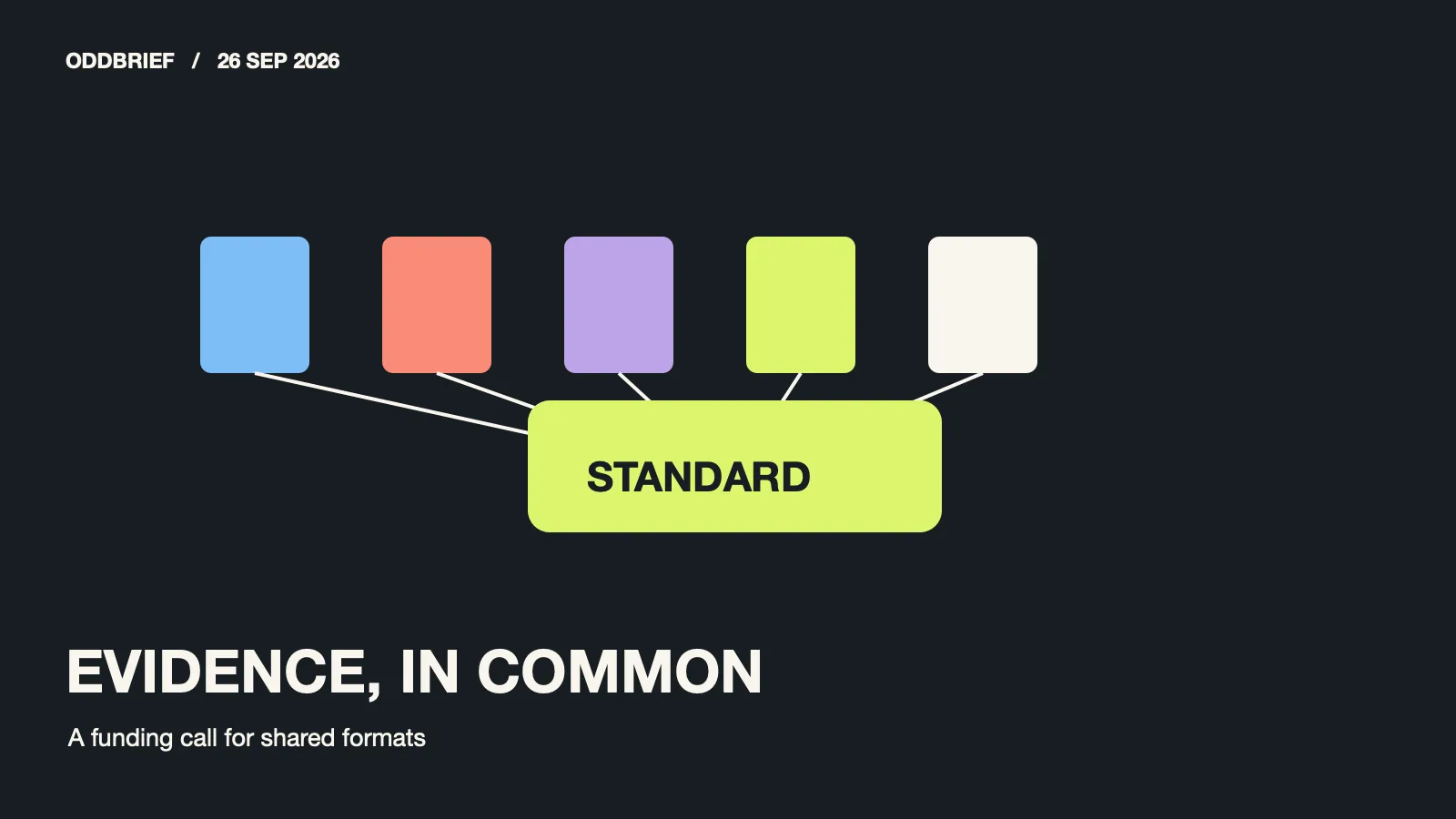
The second stream focuses on common data formats and communication protocols. Digital evidence may cross agencies and borders, but systems that store or request it do not necessarily speak the same language. Shared formats could make lawful requests and handling faster, according to the Commission. A single specification can also shape which tools are compatible with future investigations.
Projects in the investigation stream can seek EU contributions between €1 million and €2.5 million. Standardization projects may receive up to €1.5 million. Applications are due December 15, 2026. The Commission has not named winners or said which technical approaches will be funded.
The phrase that needs scrutiny
The notice says future technologies should allow lawful access to data while remaining interoperable and compatible with EU rules. It also says standards for important technologies, including AI, should consider law enforcement needs. Those are broad aims rather than specifications for encryption, platform design or data retention.
The balance will matter when projects are selected and developed. A format that makes evidence easier to exchange can help investigators avoid repeated manual conversion. It can also create risks if access controls, logging, minimization and independent oversight are weak. The announcement gives too little technical detail to judge those trade-offs for any particular proposal.
Nor does the call by itself amend European privacy law or create a new power to compel access. Applicants still have to describe projects, compete for funding and operate within applicable rules. The near-term news is a budget and a set of priorities: more investigation capability, more shared standards and explicit attention to AI.
The next concrete evidence will be the funded project list and the specifications those teams publish. Until then, the most consequential phrase in the call, lawful access, remains an objective whose technical meaning is undecided.
Sources
- Call for proposals to fund projects supporting Digital Investigations and StandardisationEuropean Commissionprimary source