Positron just raised $875 million to make AI inference cheaper
The AI chip startup is now valued at $5 billion, with its biggest product still more than a year from planned production.
OddBrief EditorialAI-assisted, human-reviewed
 Business & Startups
Key facts
- Funding
- $875 million Series C and Series C-1
- Valuation
- $5 billion post-money
- Product
- Asimov silicon and Titan inference systems
- Next
- Asimov tapeout is planned for the end of 2026
Positron AI said on September 10 that it raised $875 million at a $5 billion post-money valuation to fund a new generation of chips for running, rather than training, artificial intelligence models. The unusually large round is a bet that AI's next infrastructure bottleneck is memory capacity and bandwidth, not simply raw computing power.
A fivefold repricing in seven months
Positron raised $230 million in February at a valuation of more than $1 billion, according to the company and The Wall Street Journal. Its new financing lifts the post-money figure to $5 billion before the startup has shipped the custom silicon at the center of its next product generation.
The financing came in two pieces. A $375 million Series C was priced at a $3.5 billion pre-money valuation, followed by a Series C-1 of up to $500 million led by NEA and Netscape co-founder Jim Clark. Atreides Management, Valor Equity Partners, Andra Capital and SemiAnalysis Capital were among the co-leads.
That makes $875 million less like a conventional expansion round and more like advance funding for a semiconductor roadmap. Chip tapeouts, fabrication slots, memory commitments and complete server systems all demand capital long before customers can evaluate the finished hardware.
The bet is on cheaper memory
Positron describes its architecture as memory-first. The company says its next-generation systems use commodity LPDDR5X memory to avoid dependence on high-bandwidth memory and advanced CoWoS packaging, two constrained parts of the AI hardware supply chain.
The company also claims its systems can use more than 90 percent of available memory bandwidth while improving tokens per dollar and tokens per watt. Those performance claims come from Positron and have not yet been demonstrated for the unreleased Asimov chip in independent production benchmarks.
The strategy reflects a shift in AI spending. Training a frontier model is an occasional, enormous computation. Inference happens every time an assistant, agent or copilot answers a request, making the cost of serving models a recurring bill.
What the money is meant to buy
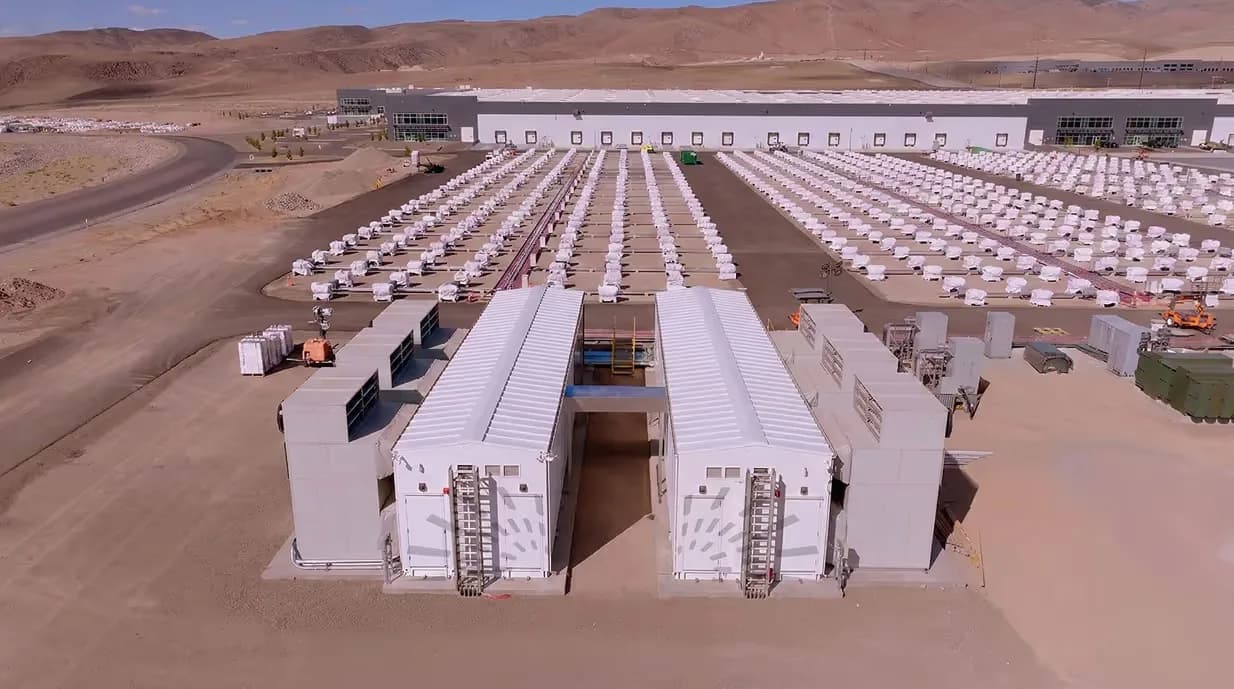
Positron says the round will fully fund the tapeout of Asimov, a 2-megawatt-plus engineering data center and the production ramp for its Titan inference system. Asimov is scheduled to tape out on TSMC's N3P process at the end of 2026, with production targeted for the second half of 2027.
The planned chip will pair Positron's compute design with 288 GB to 2,304 GB of memory per chip. Titan is designed to combine four to eight Asimov chips in one system and, according to Positron, serve models larger than 16 trillion parameters or context windows beyond 10 million tokens on a single node.
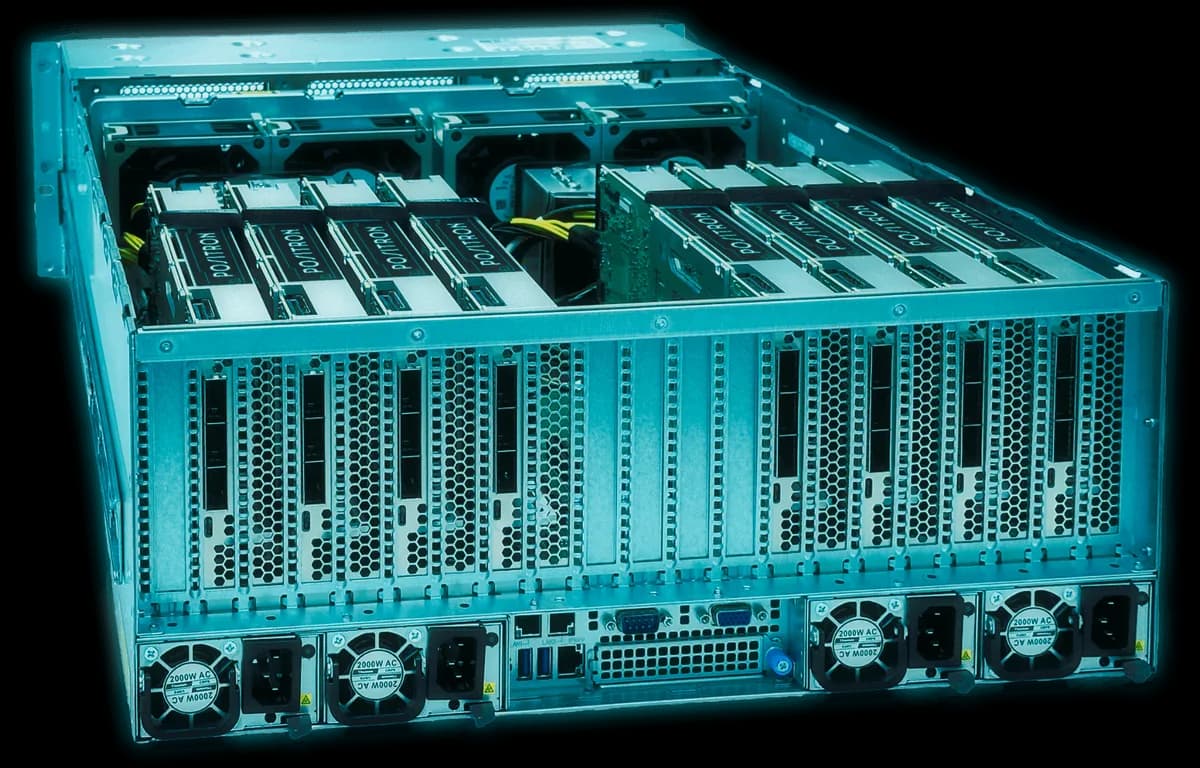
Positron does have hardware in use today. The company says more than 50 racks of its first-generation Atlas system are being deployed at Oracle Cloud Infrastructure, with Parasail using the capacity for an inference service. Jump Trading and i3D.net are also listed as production customers.
The hard part starts at tapeout
The valuation therefore prices in successful manufacturing and deployment well ahead of Asimov's production date. A tapeout is an important milestone, but it does not by itself prove manufacturing yield, performance or delivery at scale.
Positron's next concrete deadline is the Asimov tapeout at the end of 2026. The larger test arrives in the second half of 2027, when the company says production systems should begin turning its memory-first argument into customer hardware.
Sources
- Positron raises $875M Series C at $5B valuationPositron AIprimary source
- Positron valued at $5 billion in new fundingThe Wall Street Journal