Google's YouTube ads are getting an AI sales assistant beside the video
A new Business Agent would answer product questions inside a video ad, as Google also reduces the taps between visual ads and a seller's page.
OddBrief EditorialAI-assisted, human-reviewed
 Business & Startups
Key facts
- Announced
- September 24, 2026
- Feature
- Business Agent for YouTube product-feed ads
- Other changes
- one-tap image ads on Shorts and Gmail
- Maps
- promoted pins for affiliate locations
Google announced on September 24 that it is adding a conversational Business Agent alongside YouTube ads with product feeds, allowing viewers to ask about a brand or item without leaving the video context. The move turns an ad from a one-way pitch into a miniature sales conversation, although Google has not shown whether that conversation leads to better purchases.
The ad answers back
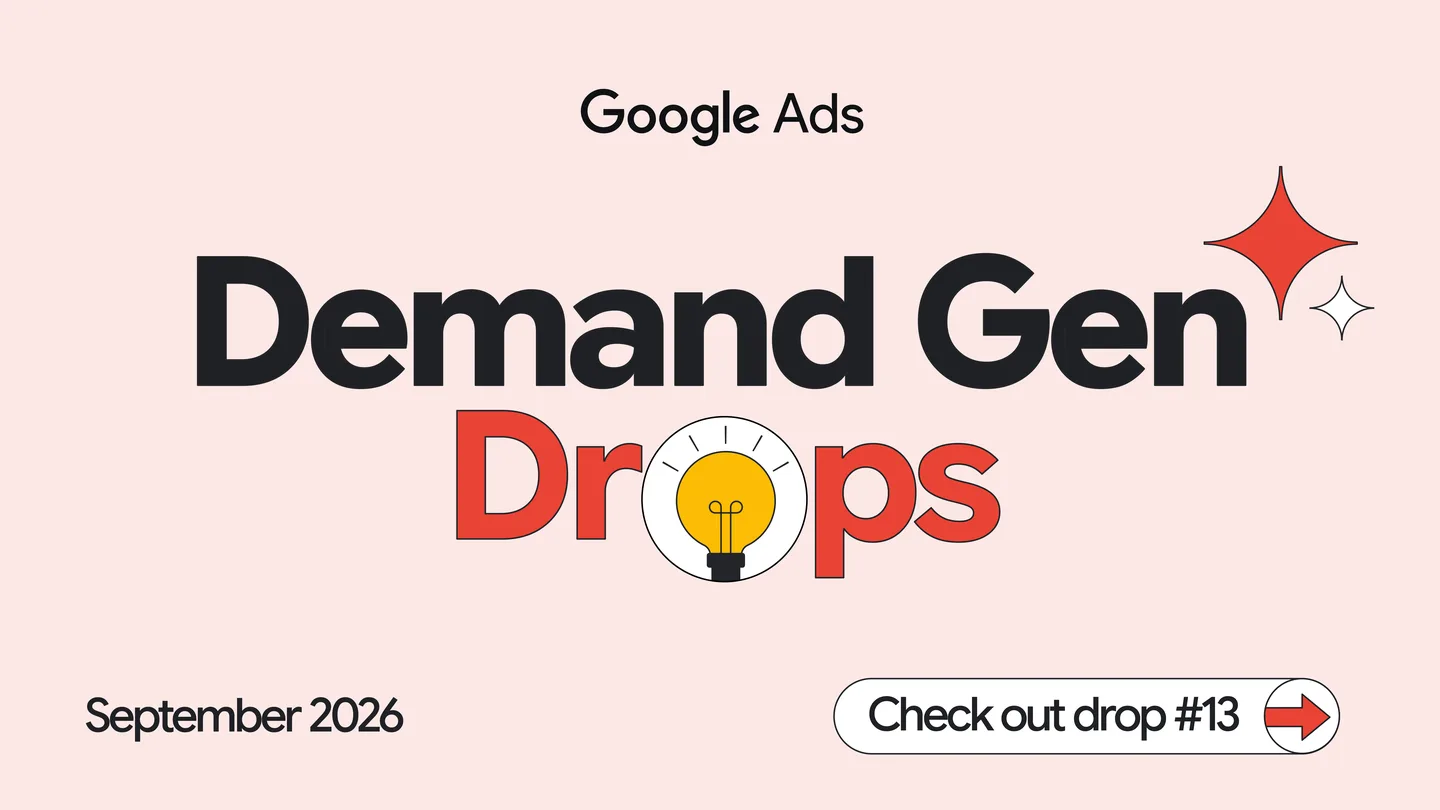
The new feature sits within Google's Demand Gen advertising system. In the company description, a viewer who sees a qualifying video ad can engage an AI assistant to get immediate answers about the advertised products or brand. Google invites advertisers to sign up for Business Agent, which indicates this is not simply a switch available to every campaign today.
That placement is the unusual part. Retailers already use chatbots on their sites, but this puts the assistant beside the discovery moment itself. A shopper might ask about size, compatibility or delivery while still watching the ad. The source announcement does not say exactly which product data the agent can cite, how it handles uncertain answers, or how the exchange is labeled to viewers.
Those omissions matter. An ad assistant has a commercial incentive to keep the shopper moving. Accuracy, disclosure and the ability to recognize that an answer is unavailable will determine whether the tool adds information or just adds pressure. Google presented the feature as an advertiser option, not as an independently evaluated consumer service.
Fewer taps across Google
The same update shortens the path from image ads to landing pages on YouTube Shorts and Gmail. Google says a viewer can now reach the advertiser's page with one tap. On Shorts, the change applies when advertisers upload full-bleed vertical images in a 9:16 format. That is a small interaction change with a clear commercial aim: reduce the moment in which a potential buyer drops out.
Google also points to an internal analysis in which advertisers adding Gmail to Demand Gen saw image creatives achieve a 40% increase in conversions at the same return on investment. The data cited is global Gmail Ads data from February 2026. It is not a measured result for the new one-tap format or the YouTube Business Agent, and it cannot establish what every advertiser should expect.
For physical shopping, Google says affiliate location extensions can place promoted pins in Maps for retail networks and dealerships while people browse, search or navigate. It further blends advertising into the path between discovery and a store visit.
The test is what shoppers learn
Google's September package connects three moments: seeing a product in video, asking a question about it, and moving to a purchase page or location. The new agent could make product information more accessible at the point of interest. It could also make advertising feel more like neutral assistance if labeling and answer quality are weak.
The company has not published broad availability, error rates or consumer outcomes for Business Agent. Until it does, the concrete change is the interface: a video ad can now carry a dialogue box, and the boundaries between an answer and a sales pitch become more important.
Sources
- Demand Gen Drop: September 2026Google Adsprimary source