Three hikers planned a Mount Shasta climb with Gemini. Then they needed rescuing.
Three inexperienced hikers were rescued from Mount Shasta after using Google Gemini as part of their trip planning, with authorities saying the group brought too little food and water and made several dangerous decisions.
OddBrief EditorialAI-assisted, human-reviewed
 AI
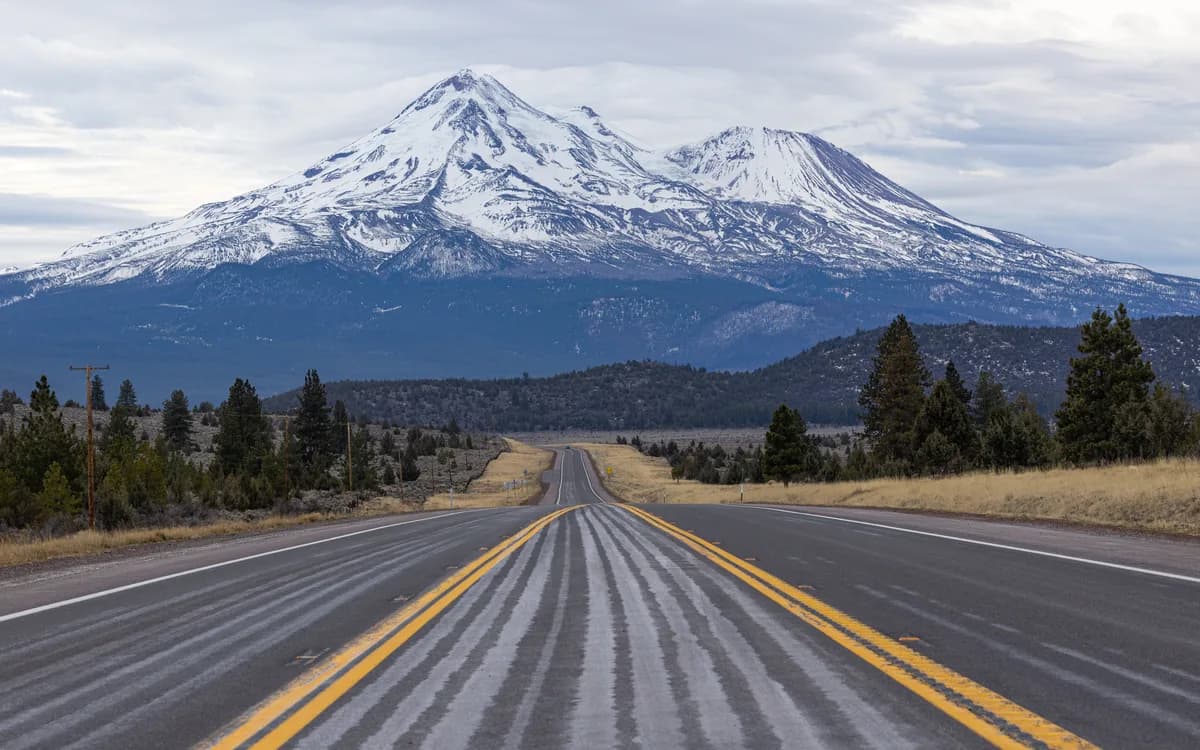
AIThree hikers were rescued from California's Mount Shasta after relying heavily on Google Gemini while planning their climb.
The group set out on the mountain expecting an approximately eight-hour ascent.
Instead, they reached the summit at around 7 p.m., hours after climbers are normally advised to turn around if they have not reached the top by noon.
They then attempted to descend after dark.
The group became lost, entered Mud Creek Canyon and eventually required assistance from the Siskiyou County Sheriff's Office, US Forest Service climbing rangers and volunteers.
One of the hikers also suffered a knee injury.
Authorities later said the group had used Gemini to help plan the expedition, including decisions about food and water.
According to the sheriff's office account, the hikers had been advised by Gemini to bring far less food and water than they ultimately required.
The situation became more dangerous when the trip extended from the planned climb into an overnight emergency.
The hikers also relied on digital navigation tools. Their phone battery died during the descent and a backup power bank failed.
Gemini was not the only factor in the incident.
The group made several independent decisions that increased the risk, including continuing toward the summit far beyond the recommended turnaround time and descending unfamiliar terrain after dark.
That distinction matters.
AI tools can provide useful information, but they cannot reliably replace local expertise, current conditions or human judgment in high-risk environments.
Siskiyou County advises Mount Shasta climbers to research conditions in advance, carry adequate food and water, understand the terrain and register their climbing plans.
The sheriff's office also recommends consulting local US Forest Service climbing resources rather than relying on a single digital source.
The Mount Shasta incident is a particularly clear example of a broader problem with AI assistants.
A confident answer can feel like expert guidance even when the task depends on local conditions, safety margins and information the model may not have.
For low-stakes questions, that can be inconvenient.
On a 14,000-foot mountain, it can become a rescue operation.
Sources
- Hikers rescued after using Google Gemini for planningTechCrunchprimary source
- Climbers rescued from Mount Shasta after relying on AI chatbot to plan tripSan Francisco Chronicle