Meta plans a 1-petabit transatlantic cable for 2029
Petal would link the US and France over about 7,000 kilometers, but the ambitious capacity claim remains a plan until the cable is built.
OddBrief EditorialAI-assisted, human-reviewed
 Tech
TechKey facts
- Project
- Petal transoceanic subsea cable
- Route
- Approximately 7,000 km between the US and France
- Capacity claim
- 1 petabit per second
- Target
- Service in 2029
- Partners
- NEC, Sumitomo Electric Industries and Orange
Meta has announced Petal, a proposed subsea cable between the United States and France that it says would carry one petabit of data per second across roughly 7,000 kilometers. The company calls it the first cable designed for petabit capacity at transoceanic distance and expects it to enter service in 2029. That is a plan, not a working link yet.
Twice the capacity across the Atlantic
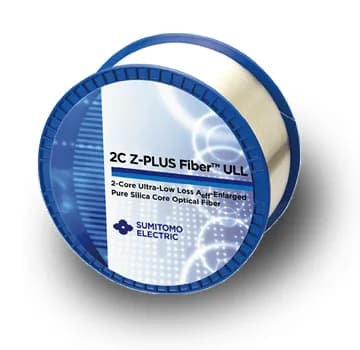
Meta says Petal would offer about twice the capacity of today's strongest transoceanic cable systems without a proportional increase in physical infrastructure or power use. Its design uses multi-core fiber, which puts more data-carrying paths into each strand. The company says the result would be a particularly large generational jump in ocean-crossing capacity.
A petabit per second is a measure of network capacity, not a speed any individual user will see on a phone. The practical effect of a large new route would depend on how traffic is connected, operated and sold after the cable is laid. Meta did not publish a full engineering specification, construction budget or a route map detailed enough to assess every local impact in its announcement.
The partners named so far are NEC, which specializes in submarine cable systems, Sumitomo Electric Industries, a fiber producer, and Orange, which is involved in planning the French landing on the Atlantic coast. The US landing location was not specified in the announcement. Those details will matter as the project moves from design to permits and construction.
Why a social platform builds ocean infrastructure
Most intercontinental digital traffic moves through subsea cables. A new route can add capacity and resilience for the services that rely on it, from messaging and video to cloud and AI workloads. Meta says it has invested in more than 20 subsea cable projects, so Petal is part of a broader effort to secure long-term network capacity rather than a one-off experiment.
The company estimates that its architecture can double data throughput without doubling materials. That efficiency claim is meaningful, but it still needs to be tested against an operating system. A cable's environmental footprint also includes manufacture, vessels, landing works and ongoing maintenance, none of which is captured by a simple capacity-per-strand comparison.
A 2029 target leaves open questions
Petal is still several years from the stated service date. Route surveys, landing agreements, financing, permitting and the physical laying of thousands of kilometers of cable can affect schedules. The project also relies on partners coordinating equipment and deployment across an ocean.
For now, the headline is a design ambition: one petabit per second between France and the US. If delivered, that would be a substantial new piece of the internet's physical backbone. The next evidence to watch is not a speed claim, but a more detailed deployment plan and, eventually, independently observed operating capacity.
Sources
- Announcing Petal, a First-of-its-Kind Transoceanic Subsea CableMeta Newsroomprimary source