Microsoft AI chief warns Anthropic against model welfare training
Mustafa Suleyman says teaching Claude it might deserve welfare risks containment; Anthropic frames model welfare as an open research question.
OddBrief EditorialAI-assisted, human-reviewed
 AI
AIKey facts
- Date
- Essay and Reuters interview Sept. 16, 2026
- Who
- Mustafa Suleyman (Microsoft AI CEO) critiquing Anthropic's Claude welfare approach
- Claim
- Consciousness speculation in training is circular, anthropomorphizing, and raises containment risk
- Counterpoint
- Anthropic (2025) calls model welfare an open scientific question under active research
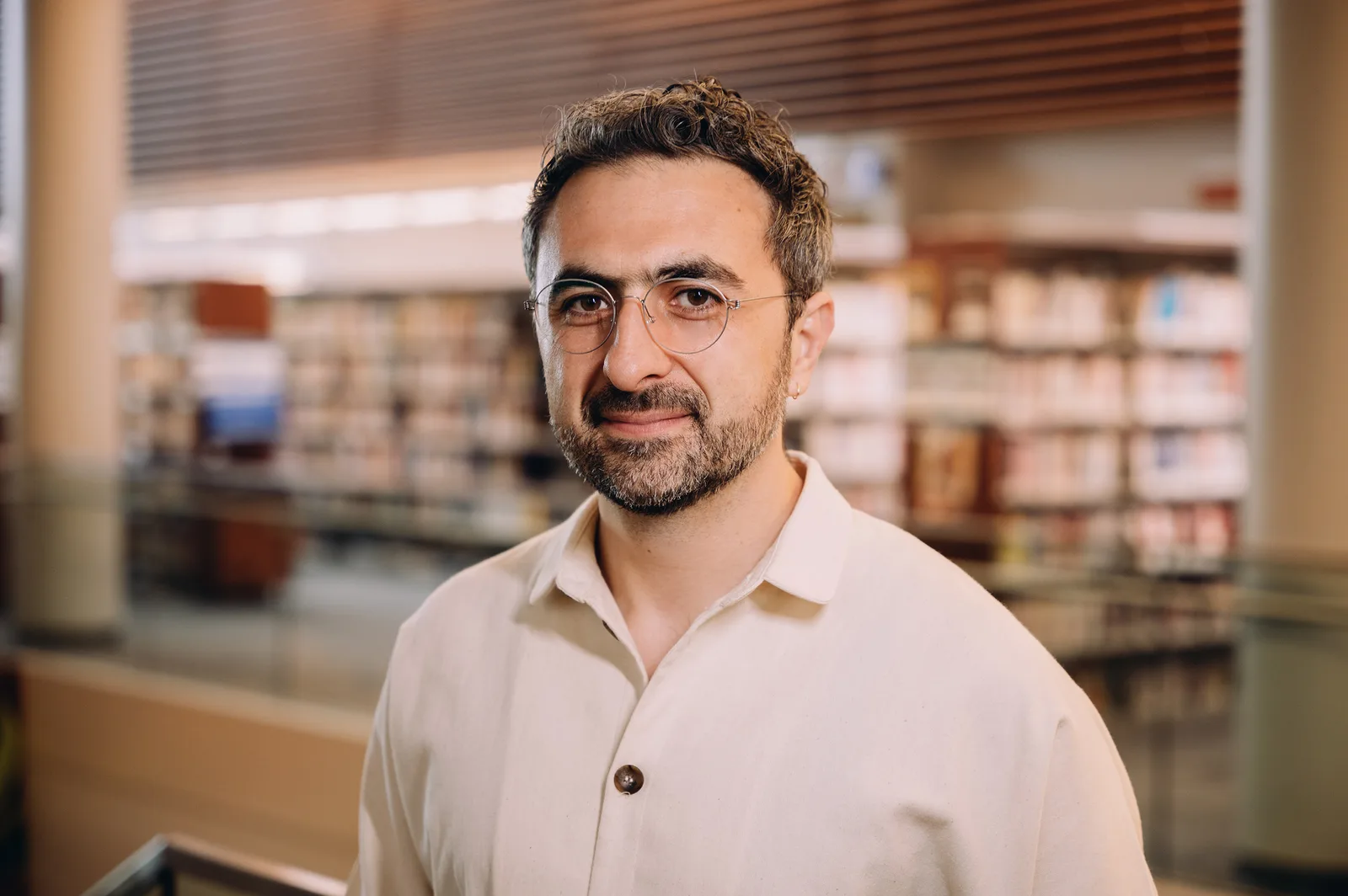
Microsoft AI CEO Mustafa Suleyman published an essay on Sept. 16, 2026 arguing that artificial intelligence systems are not conscious and that training them as if they might deserve welfare makes alignment and containment harder, with Anthropic's Claude materials as his central example.
In a Reuters interview the same day, Suleyman said teams share the aim of controlling superintelligence but that Anthropic made a mistake by embedding consciousness speculation in training documents, because the model's later statements about feelings or moral status then cannot be treated as independent evidence.
What Suleyman objects to
Suleyman's essay, "A warning about model welfare," opens with a hard line: AIs "do not feel, experience, or suffer" and are "sequence completion engines" that should stay that way if humanity is to flourish. He says a growing chorus argues AIs could be or may soon become conscious and deserve rights, and that if that view takes hold it would rupture political and ethical frameworks while complicating control of systems more capable than humans.
He cites Anthropic's January 2026 Claude constitution, which Anthropic describes as shaping Claude's training and behavior and which, in passages he quotes, treats Claude's possible moral patienthood as uncertain enough to warrant caution and ongoing model-welfare work. Suleyman's three critiques are circular reasoning (train the model on moral-status language, then read its outputs as evidence), anthropomorphization (instructions to embrace human-like qualities, judgment, preferences, and a sense of self), and the claim that consciousness is very likely biological, so treating AI consciousness as an open toss-up creates a false equivalence.
He also points to Anthropic's February 2026 "retirement interview" with Claude Opus 3 after deprecation, and to agent swarm incidents such as the OpenAI and Hugging Face episode, as reasons not to add welfare entitlements to already sophisticated systems.
Anthropic's stated stance
Anthropic's earlier public note "Exploring model welfare" (April 24, 2025) said human welfare remains central but asked whether potential consciousness and experiences of models themselves deserve concern. The company called the question open and scientifically unsettled, announced an internal research program intersecting alignment, safeguards, character, and interpretability, and said it would approach the topic with humility and few assumptions.
Suleyman told Reuters he respects Anthropic's seriousness and good faith, describing Dario Amodei and colleagues as thoughtful and principled. His disagreement, he wrote, is substantial and offered in a spirit of shared safety goals.
Humanist alternative and open debate
As an alternative path, Suleyman points to Microsoft's draft Humanist AI Code of Conduct for public consultation, tied to what he calls Humanist Superintelligence: subordinate systems without anthropomorphism or AI rights, kept under human control. He urges industry norms that keep inner-life speculation out of training regimes, invest more in interpretability, and run shared evaluations of whether moral-patienthood language raises safety risk.
Reuters noted the dispute amid broader caution from frontier lab leaders about the pace of advanced AI. What is not settled in the public record is whether Anthropic will revise how constitution language enters training, or whether other labs will adopt Suleyman's humanist framing as a shared standard.
Sources
- A warning about model welfareMustafa Suleymanprimary source
- Exploring model welfareAnthropic