LawZero gets up to CAD $300M from Canada and Germany for Scientist AI
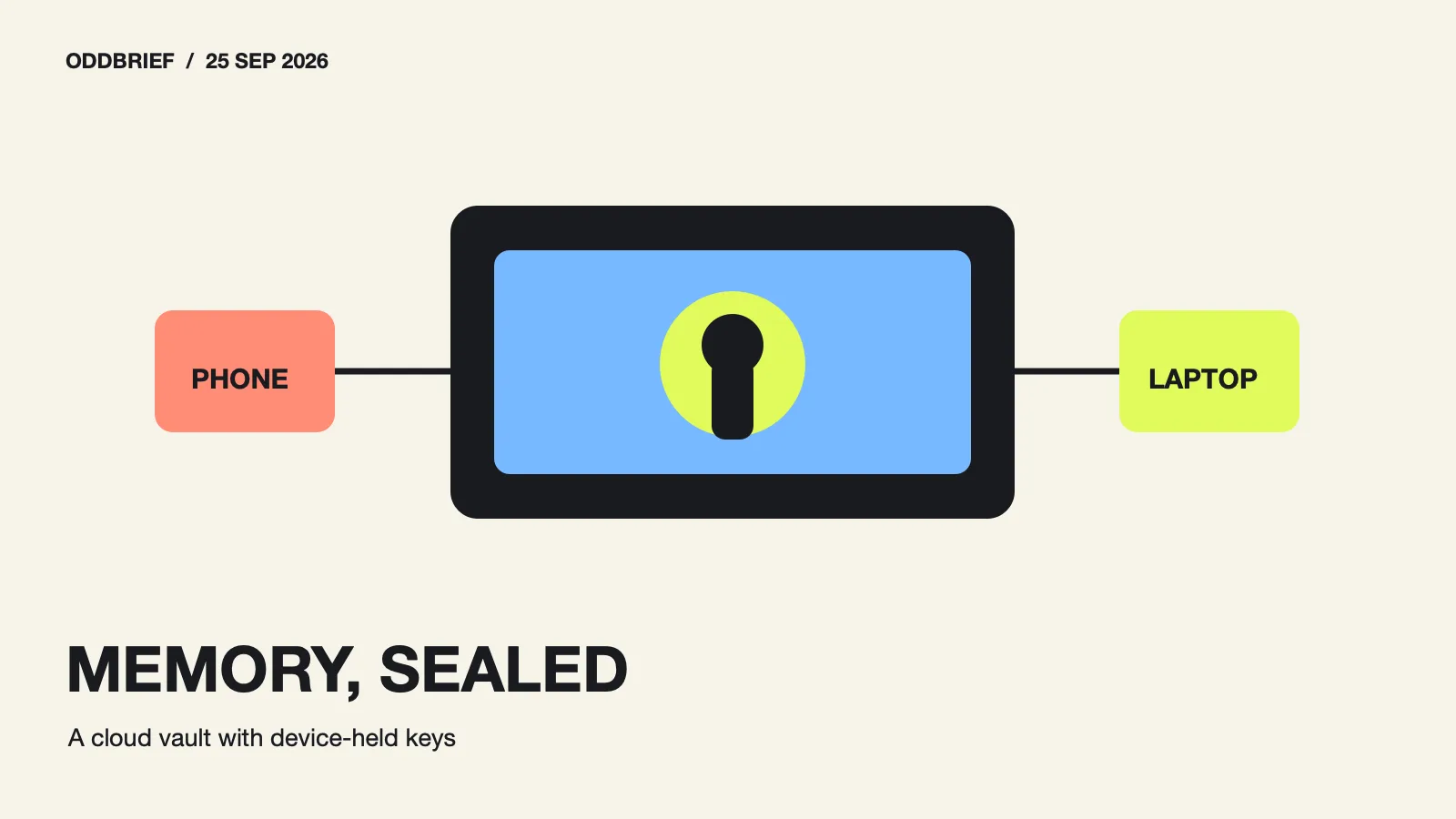
Yoshua Bengio’s nonprofit LawZero received a joint funding commitment of up to CAD $300 million from Canada and Germany to build Scientist AI, expand into Berlin, and stand up sovereign Canadian compute with Hypertec and 5C.
OddBrief EditorialAI-assisted, human-reviewed
 AI
AIKey facts
- Funding
- Up to CAD $300M joint commitment from Canada and Germany (announced Sep 16, 2026)
- Mission
- Scientist AI as trustworthy, non-agentic, evidence-based systems and guardrails
- Expansion
- New Berlin office plus sovereign compute in Canada with Hypertec and 5C
- Leadership
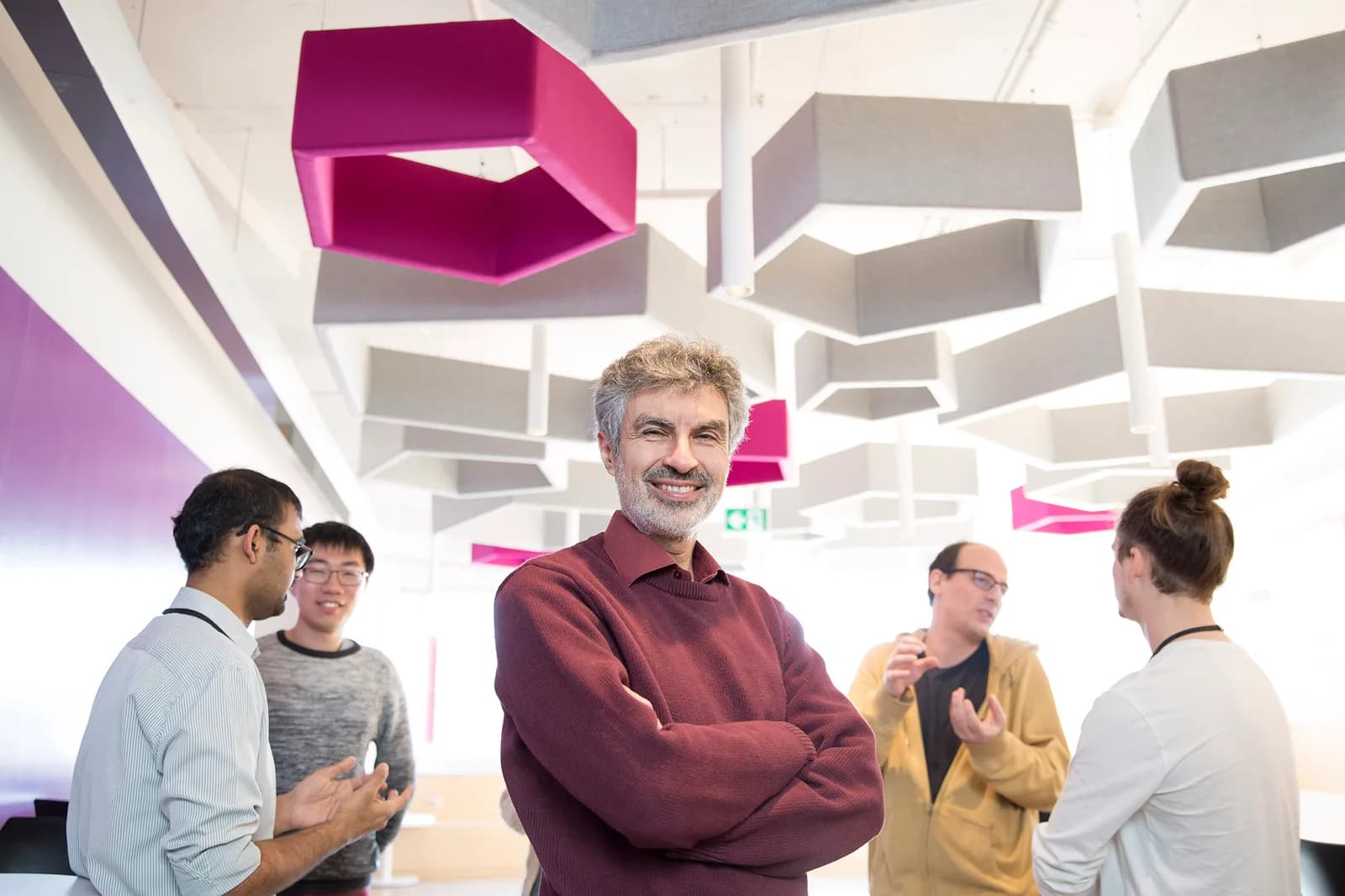
- Founded by Turing Award winner Yoshua Bengio; Montréal nonprofit incubated at Mila
While frontier labs argue about pacing and disclosure, two governments just wrote a large check for a different bet. On September 16, 2026, at ALL IN in Montréal, Canada and Germany announced funding of up to CAD $300 million for LawZero, the nonprofit founded by Turing Award winner Yoshua Bengio, to develop what it calls Scientist AI. The package is meant to grow an international research team, open a Berlin office, and lock in sovereign computing capacity on Canadian soil with Hypertec and 5C.
Scientist AI as the anti-agent
LawZero’s flagship idea is blunt. Most frontier systems are trained to act, pursue goals, and optimize for reward. Scientist AI is being designed to reason transparently and return evidence-based outputs without goals of its own. The organization frames reliability as a core capability rather than a bolt-on policy layer. In the announcement, LawZero said the approach should eventually provide guardrails for today’s frontier models, accelerate scientific work, and sharpen understanding of AI risks.
German Digitalization Minister Karsten Wildberger called it a mathematically grounded, safe-by-design alternative to potentially uncontrollable autonomous agents. Bengio described the backing as a defining moment that moves LawZero into a global next phase while strengthening technological sovereignty for both countries. The contrast with agent startups racing for autonomy is intentional. LawZero is selling trustworthiness as the product.
Sovereign compute and a European foothold
Money alone does not make a research lab. The release ties funding to infrastructure and geography. LawZero will establish dedicated sovereign compute in Canada with Hypertec and 5C, aiming to keep advanced capacity, expertise, and data pathways under Canadian control. Hypertec CEO Simon Ahdoot cast the deal as the kind of partnership among government, capital, and industry needed for safe AI at scale. 5C CEO Jonathan Ahdoot said breakthrough research needs matching infrastructure.
On the European side, LawZero plans a Berlin office inside Germany’s innovation ecosystem. That gives the Montréal nonprofit a second political home and a hiring base closer to EU regulators and talent. Canadian ministers Evan Solomon and Mélanie Joly framed the investment as sovereign AI capacity, domestic jobs, and technology built on Canadian terms rather than imported stacks.
Philanthropy meets state money
LawZero is a not-for-profit startup headquartered in Montréal, initially incubated at Mila and governed by an independent board and global advisory council that includes figures such as Maria Eitel, Jacinda Ardern, Stefan Löfven, and Yuval Noah Harari. Catalytic backers already included the Gates Foundation, Coefficient Giving, Schmidt Sciences, the Future of Life Institute, NVIDIA, and Jaan Tallinn via the Silicon Valley Community Foundation, plus earlier government support.
The Canada-Germany commitment changes the scale. Up to CAD $300 million is state-sized capital for an organization arguing that safety research should not wait for frontier labs to finish racing. Whether Scientist AI can become a practical guardrail for commercial models is still a research question. The political signal is already clear: two allied governments are willing to fund a non-agentic, sovereign alternative while the rest of the industry debates how fast to ship agents.
Sources
- LawZero receives a commitment of up to $300M in joint funding from Canada and GermanyPR Newswireprimary source
- LawZero researchLawZero